It took us another eight hours of climbing vertical steps through damp vertical caves and along precarious edges of steep cliff sides. Sho Boa was our guide. He wanted to race to the top of the mountain, often criticizing Xiang Kai and me if we wanted to sit for a moment, or if we were moving too slowly. I was grateful to have Xiang Kai on my side.

Sho Boa claimed he was the true hiker among us. He was climbing the mountain to defeat it. His desire to reach the peak and reach the bottom in the fastest time possible meant he was a conqueror. I’m not this person. I wanted to sit and reflect and bask in nature and observe the multitudes of people around me. I wanted to meditate and reflect. Mt. Hua was one of China's 5 sacred mountains. I wasn't from China, and when would I ever be back? I wanted to absorb it all in, but between the enormous crowds and Sho Boa's constant  insistent pushing, hiking Hua Shan felt more like a military drill than a joyous hike. I didn’t know what was going on in Xiang Kai’s mind except that he wanted to stop and sit as much as I did. From time to time, Xiang Kai would shoot me look of irritation and disdain. "Ignore him," he’d say, "let’s sit, make him wait."
My Mother Died While I Was Teaching in China
It isn’t easy to lose a parent under any circumstance. Whether you lose them when you are young, or when they are very old. Whether you lose them to a long lingering illness or to a sudden accident. Each type of death results in the same thing. Your parent is dead and death is for the living to deal with. If I could have chosen how my mom died, I would have picked that she lived at least to her 80’s, and that she had a full joyful life, and that old age had finally decided that it was time for her to go. I would have sat beside her, holding her hand, telling her that I was going to be fine and that she could let go. That’s what I would have chosen. We don’t get to choose.
My mother was found dead on the floor of her bedroom. I wasn’t at her bedside. I was in China getting ready for my classes when I checked a Facebook message telling me to Skype a friend of hers: “that it was important”. Her life had been difficult and full of heartbreak, loss, grief, and addiction. Her greatest fear was to die alone and that is exactly how she died. The death certificate said it was a methamphetamine overdose. My only sliver of consolation regarding her death is that it may have been quick and painless. I hope she didn’t have a moment to know she was dying, so that she didn’t know she was alone at her death. We don’t get to choose. We get what we get.
1,000 meters halfway point to the peak.
Invited to Hike Huashan
Three or four months after my mom died, my friend and co-worker, Wu Sho Boa, suggested that we should go to Huashan together. Huashan is one of the 5 sacred mountains of China. It sounded like a great opportunity, so I agreed to go. He invited his friend Liu Xiang Kai, who I called Xiang Kai (Xiang sounds like Shee-ang) to join us. I decided that I would bring some of my mother’s ashes and scatter them at the top. Sho Boa asked me why I would want to do such a strange thing, after all, my mother was not Chinese. I told him it was because she never got to travel anywhere in her life, and now in her death I could take her to a spiritual mountain peak in China and scatter her ashes to winds that would eventually take her around the world. Sho Boa still thought it was silly, but he let it go.
The Five Sacred Mountains
Located in Shaanxi Province, not too far from Xi’an (place of the terra cotta warriors), Huashan is the Western Mountain of the 5 sacred mountains of China. The five mountains are Taishan (泰山), the East mountain in the Shangdong province; Hengshan (衡山), the South mountain in the Hunan province; Hengshan (恒山), ( not a mistake it has the same name in pinyin, but is different in Chinese) the North mountain in the Shanxi province; Songshan (嵩山) the Center mountain in Henan province; and Huashan (華山) the West mountain in the Shaanxi province. During my first month in China, I went to Sōng Shān while visiting the Shaolin Temple, but at the time I was not aware of the mountain’s sacred significance.
There are many sacred mountains in China for example Buddhism has four of its own sacred mountains, and Taoism also has four of its own sacred mountains. All of these mountains have been places of pilgrimages throughout Chinese history, and are the subjects of many paintings and poems. The Five Sacred Mountains, also called The Five Great Mountains, have been connected to imperial pilgrimages performed by Chinese emperors. The mountains are connected to the Supreme God of Heaven and the Five Highest Deities. Which may explain many of the stunning temples and hermitages built on the side of Mt. Hua.
At 1,000 meters. If you look carefully you can see people walking on the blade of a mountain pass.
HuaShan
Huashan, Huà Shān, Hua Mountain, Mount Hua, and “number one steepest mountain under heaven”, however you say the name, it is all the same glorious mountain. Huà in Chinese means flower and shān means mountain, so the literal translation is flower mountain or 華山 flowery mountain. It is said to get its name from the five mountain peaks that look like a lotus flower.
Huashan was close enough to travel to in a day, but proximity does not equal facilely. Its reputation as one of the five sacred mountains is “China’s most dangerous”. It’s difficult to find exact numbers as to how many casualties and deaths may have occurred on Mount Hua, but after my own experience hiking it, I can assume that the number could be relatively high. Sho Boa said that you can’t find any numbers because the government doesn’t want the public to know the casualty rate because they don’t want to deter tourism. I don’t know if he meant city, provincial, or country government, but with the sketchy conditions, and population of inexperienced climbers (myself include), and the trash left behind, a little negative advertisement might be a good thing.
My Own Sacred Pilgrimage
As an outsider to China, it was easy to attach myself to the romantic connotations associated with ancient Chinese traditions. Taoist beliefs and Buddhist rites of passage have a mystic allure to a foreigner like myself. It was easy to imagine myself like the female version of Brad Pitt in Seven Years in Tibet or Bill Murray’s, Larry Darrell in The Razor’s Edge.
I envisioned myself reaching the peak of the mountain. In a moment of reverie sunlight breaks through the clouds or rises over the crest. I am filled with a sense of peace, gratitude, and a higher understanding of what life is about. Questions as to why we are here, and why I am here are answered. Then I feel a dawning acceptance of my mother’s death. I understand why she died like she did, and why I wasn’t able to save her. I know that death like life is beautiful.
Sadly, but not surprisingly, I did not reach this zenith of enlightenment. I was not awash in answers. I was achy and irritable. In fact, in retrospect, the entire journey from the city to the peak and back was farcical. I was more like John Goodman in the Big Lebowski than anything else, or The Dude maybe. Perhaps my journey was to feel exactly what I felt; achy, despondent, irritable, depressed, frightened, exhausted, in pain, befuddled, grieving, and longing for my mother to be alive. Of course, before the hike I didn’t know I was going to feel anyway other than joyful; and whatever enlightenment feels like.
A wish for peace
The evening we were to leave, I poured some of my mom’s ashes (that I had brought with me from America) into a small box and put them in my backpack. If I made it to the peak then I would leave that little part of her there on that mountain top. It would be the closest I’d ever get to the stars. If I made it.
I read that it was a dangerous and steep hike. The highest mountain I’ve ever hiked. At least up to that point. I wasn’t sure which peak were were going to tackle, but Sho Boa insisted he had it all figured out, so I packed my bag, and waited for Sho Boa and Xiang Kai to meet me at my apartment. Our overnight train was at 1:00 a.m., but Sho Boa wanted us to get there around 11:00 p.m. so that we could pick up some snacks for the trip.
I had no idea what I was in for, but again, in retrospect, if I had a better idea of what was ahead of me, I would have taken a nap.
I lived in Zhengzhou, China in the Henan Province from the year 2013-2014. My mother died February 19th, 2014, 24 days after her 64th birthday, and five days before my 41st.
This post was created from two previous posts I wrote back in 2015 and 2016. You're welcome to follow the links, but honestly I think this post is the better one.
Change is hard. They say. The great “THEY” say that it is even harder as you get older. When it comes to changing a physical location, you can say, I’m an expert at it. Only the physical move, though, everything else does seem to be getting harder.
In the past year my husband and I have moved from South Korea to Maine and then to Portland. It wasn’t that streamlined though. It went more like this: We moved from our place in Itaewon, Seoul in July of 2023, and spent two weeks driving around South Korea visiting places like Gyeongju, Namhae, and Incheon.
GyeongjuNamhaeIncheon (Chinatown)
We had some confidence at this time. My husband had a job waiting for him in Maine, we had a savings, and I had my pension. The evidence of 7 years of teaching English in South Korea.
I am the reason we left South Korea. I had been ready to leave Korea since 2017. My first few months of teaching had been a bad experience with a bad company and a terrible school principle. The Korean staff was great, the other teachers were great, but the “boss” was terrible. A dishonest and manipulative person who treated her Korean staff far worse than the foreign staff. I heard she had finally been fired for embezzlement. It may have been a rumor how she was fired, but she was fired. However this was a few years after I had left. As a foreign teacher in South Korea you are housed which is part of the draw, but the type of housing you get has a lot to do with who employs you. My housing was abysmal, but I knew of people who had worse. I quit that job, breaking my contract within the first 90 days of my employment which was within my contract, but the “boss” requested I stay for at least 6 months claiming it was that difficult to find a replacement. I agreed, which I should not have done since later it stabbed me in the back. I wont go into the boring detail, but needless to say, I did not receive my final paycheck. Luckily, I did get the coveted Letter of Release allowing me to find work elsewhere. My next job and the job’s after were better, but I had a bitter taste in my mouth. Months before meeting Eun, I had already decided to leave Korea.
Seven Years Later
Things change. You meet people. You fall in love. You get married. You have a pandemic. Your parent gets sick. Your dog almost dies. Things happen.
Once things began to reach a base level once again, Eun and I decided to leave South Korea. Again, a lot of it was me. I never did pick up the language, and my chance of finding a job outside of teaching was low. I did manage to get a writing gig for about two months, but they stopped accepting contract writers. I was disappointed, but that is how it goes. I had hoped maybe to find another writing gig, but nothing so far has panned out. My idea was, “let’s go to Portland, OR. I have friends there.” Yet, Eun didn’t feel comfortable with that. He needed a job first. After all, that’s how normal people do it. Job first. Move second. I never worked that way. Move then figure it out. My way is more difficult and scarier.
He got the job in Maine. So we left Itaewon and did our road trip. Flew to Washington state on July 17. Spent two days in Seattle. Two weeks in Portland. Got a car loan. Bought a car using the loan and some of my pension money. We took a trip to California to see my dad. Then back up to Oregon to visit the gravesite of Sue and then we drove across the country passing through Idaho, Wyoming, Montana, Wyoming, South Dakota, Minnesota, Iowa, Illinois, Indiana, Ohio, Pennsylvania, New York, Vermont, New Hampshire, and finally Maine. We even stayed the night in some of those states.
For ten months we lived in a dorm with international students. We lived in downeast Maine in a rural little town named East Machias. Eun worked as a Health and Wellness teacher, a Freshman Basketball coach, and a dorm parent while I tried to reinvent myself. I took online courses through coursera trying to learn UX design. I went back to my novel that I wrote over 10 years ago, but never published. I looked for remote work online. No one wanted to hire me except online tutors. I had no transferable skills. I started teaching in 2013 as a means to travel, but it now identified me as a teacher with no other career potential. If I were younger would it be better? I don’t know. The nearest grocery store was always hiring, but it was 5 miles away. I didn’t have a license, Eun worked full time, and there was no public transportation. It took me 8 months to get my license due to logistics. I loved the beauty and nature of Maine, but I wanted to leave for a similar reason as to why I wanted to leave South Korea. I wanted opportunity to grow.
Why is it that I couldn’t find some way to be creative while I had all that freedom and time?
Poor mentality. I wasn’t lazy. I worked daily. Keeping the apartment clean. Making every meal. Laundry- the daily duties. I was writing, drawing, learning, reading and attempting to educate myself in every way possible. I was also looking for remote jobs. I even restarted my YouTube channel (which has grown a bit) but I have a poor mentality. I was never fully able to just do art or learn or be committed to being creative because I wasn’t contributing financially. I never sent my work out (writing) because I never believed I could be paid as a writer. I could never be paid for anything creative. It wasn’t for me. I was not meant for that world.
I still suffer from this thinking. I assume I will die with this mentality. It is tough to unlearn.
10 Months Later
We left East Machias on June 18th, not even a full year since we left South Korea. We packed our life into the car once again only this time we had no savings, no jobs, no home, no prospects. Eun trusted me this time, but this time I felt unsure. Very unsure. Once again we drove across America. We passed through many of the same states minus Indiana, Illinois and Iowa, and we added Michigan and Wisconsin. We had less money and more time. You could say we were foolish. If things fail you can say, “you deserve it.” If we succeed you could say we were adventurous. It is all determined by the outcome even though it shouldn’t be.
Eun is a basketball player and a coach and he found an opportunity to grow as a player and a trainer, so we spent a week in Michigan so that he could participate in this program. While in Michigan a violent windstorm passed through and a large branch broke from a tree and flew into our car damaging the passenger side. I was distraught since we hadn’t even paid for the car yet. Eun, who is more positive, reminded me that we have insurance. Still, the cost of the program, the cost of staying a week in Michigan and now the cost of the car was weighing on me. If things fail it’s my fault. That’s what played through my mind. Still we continued to make what some people may call bad choices. We kept moving forward with our travels. Staying in South Dakota to visit the Badlands and Deadwood. You can watch our journey on Youtube if you are so inclined.
We moved forward with our plan to stay in Cody, Wyoming as we visited Yellowstone, and then stayed in Montana to see Yellowstone for a few more days. We lost money having to change places to stay. One we had to change because of floods that hit Minnesota and South Dakota. We had to cancel camping stays that were meant to save money because we finally accepted the fact that our dog can’t camp. We spent more money on airbnbs because our dog needs space away from strangers and other dogs. We continued on to stay in La Grande so I could once again visit the grave of my friend Sue and to see her sister whom I hadn’t seen since the funeral 16 years ago.
Portland, OR
At the moment of writing this we have been in America for 1 year and 1 week. We have been in Portland for nearly 3 weeks. We don’t have jobs. We don’t have much money. Our car is in the shop. We have a place to stay for about two more weeks, and Eun has two more paychecks before we have nothing. We are in debt, too. We began applying for jobs our first full day in Portland. The first week was silent. Then the second week rejection e-mails and automatic rejection responses came in. Then at the end of the second week, we began to get phone interviews. Eun had some in person interviews. Our emotions which are tied to our fears and anxieties ebb and flow like the ocean tides. We celebrate an interview, we try to shrug away the rejections, and we try to ignore the silence. Eun is applying for jobs as a teacher. He is moving forward with this career. Digging into his role as a P.E. teacher and a basketball coach. This next job is going to be the one for the next few years. We want it to be a good place. As for me, it is more difficult. I am trying to transition out of being a teacher. I want to work in an office with benefits. I want to create content. To be what the digital age calls “a creative.” But, it is difficult. I am having trouble breaking in and proving I can be worthy. The place I had volunteered for 7 years didn’t give me an interview after hanging onto my resume and communicating with me for a month, and I got rejected by Barnes & Nobles. Both, writing adjacent jobs.
Will this be a story of throw caution-to-the wind-adventure with a happy ending or will it be a cautionary tale? Only time will tell. Time will tell soon as the clock is ticking. As I line this final paragraph with cliches, I want to return to the introduction that change is hard. It is very difficult to change your career especially in a rapidly changing world. 10 years ago I worked in an office, I was an office administrator, but today I am no longer an ideal candidate. It is hard not to feel dejected when you have a poor mentality. This blog drips with pathos, but it is also held together with a tenacious web of hope and perseverance. I am making progress. Pages have been written. They may not fit the timeline of the meta masses but they fit my time line which is the duration of my life. So, we will see where this path takes me.
I haven’t forgotten part three of the Huashan hike it will be posted. One day. Till then enjoy these mushrooms. They are pretty, but not the kind to open your mind. You have to do that yourself. Advise to me from me. You can use it too if you want.
This a a post about our February trip to Boothbay Harbor in Maine. If you’d like to skip ahead to the things to do and where to eat section you can go directly to Winter in Boothbay Harbor.
A Winter Break
As luck would have it, Eun’s school closed for a week at the end of February, and that week just happened to be our birthday week. After a little online searching, we found a place in Boothbay Harbor.
A Quick stop in Blue Hill
Window of the Sea Wind by Hitoshi Tanaka
It’s 3 and a half hours to drive from East Machias to Boothbay Harbor, so we decided to take a quick stop in Blue Hill, a mere hour and a half down the road. Blue Hill is located is in the Downeast region which is the same region as East Machias.
I chose Blue Hill because I wanted to see the sculpture, The Window of the Sea Wind by Hitoshi Tanaka. The sculpture is located at Emerson Park and is part of the Maine Sculpture Trail. I first heard about The Window of the Sea Wind and the Maine Sculpture Trail from Downeast Cowboy, a local fisherman that also happens to have a pretty popular instagram with a lot of fun and interesting information about Maine. I like to check him out from time to time to see where we should go next.
BoothBay Harbor, Maine: Yesterdays
People of the Dawnland, The First Peoples
Long before white settlers arrived in the late 17th century, this land was home to the Etchemin people, part of the great Wabanaki tribes – the “People of the Dawnland” among the Eastern Algonquian nations. Known today as the Malecite and Passamaquoddy, their ancestral roots run deep through Maine’s fertile soil and winding waterways.
For those keen to learn more about these First Peoples’ rich heritage, the University of Maine’s Folklife Center offers an enlightening introduction. Yet a somber truth lies in the fact that out of the 570 federally-recognized Native Nations across this land, the Wabanaki stand apart – excluded from the sovereign tribal rights and protections enshrined in the U.S. Constitution.
To deepen your understanding of the Wabanaki’s struggles and triumphs, one can visit Abbe Museum’s website. And for those seeking to inform themselves about tribal sovereignty’s critical importance and the consequences of its denial to these resilient people, a wealth of knowledge awaits the intrepid learner who follows the path. It is a path worth following.
Boothbay Harbor
When Maine was Massachusetts: A Very Condensed History
Although white settlers arrived in the late 1600s, it wasn’t until 1729 that a permanent township took root, christened Townsend by the Scotch-Irish farming families whose descendants would eventually turn to the sea’s bounty. In those days, what is now the proud state of Maine lay under Massachusetts’ domain. Incorporated into the Bay State in 1764, the town’s name shifted to Boothbay.
But Boothbay’s path to today’s tranquil charms was hard-won through the trials of war and repeated British invasions, grievances that stoked Maine’s fight for statehood. For the Old Bay State could not safeguard its easternmost relative from foreign threats. At long last in 1820, the indomitable Pine Tree State claimed its place as the 23rd star on the national flag.
Around the mid-1800s Boothbay was already seen as a summer resort town. Big hotels began popping up by the 1880s, and city folk then called “rusticators” flocked to Boothbay Harbor for a simple bucolic summer. You can still see evidence of this history in Boothbay Harbor. Strolling the idyllic harbor streets today, one is transported through an architectural reverie of that gilded era.
Much of the original industry that sustained Boothbay through the pre-revolution up to the post-Korean War years are gone, but somethings remain. The shipyards and fishing remains with lobster being the pillar of the fishing industry. There is the boat building industry, and of course tourism. Beginning in the late spring and stretching until late fall, Maine’s coastal towns, like Bar Harbor in the Downeast region, and Midcoast Boothbay Harbor along with its neighboring island Southport and Linekin peninsula, fill up with new and ancestral rusticators, and new rusticators. However, winter is a different story.
Boothbay Harbor: Today
Boothbay Harbor
Boothbay Harbor, a deep-water port capable of accommodating cruise ships and cargo vessels, belies its quiet, charming coastal town atmosphere. Nestled between the Sheepscot and Damariscotta rivers, the harbor’s tranquil waters envelop a rocky evergreen-topped island that seems to float serenely on the gently rippling surface. Even on the coldest winter days, the Atlantic sparkles with shimmering sunbeam reflections, painting an idyllic scene. Colorful shops lining the streets lend a blithe ambience to this quaint winter retreat.
The Mid-Coast region has long been renowned for its boatbuilding prowess, dating back to the 1816 founding of Hodgdon Brothers in East Boothbay – now the nation’s oldest continuously operating yacht company. Starting with schooners they are now known for building specialized military vessels and yachts. They are also known to build superyachts or megayachts, but we didn’t see anything so lavish on the harbor during our visit. Truthfully, a yacht doesn’t inspire me as much as the tradition of building. These skilled craftsmen continue to carry on a 208-year family legacy, and that is impressive.
A few months ago a bad storm with hurricane winds came through a lot of the businesses near the piers and waterfront were flooded, but at the time of our visit we didn’t see any of the damage. However we were told that some places that are normally opened year round had to close due to the storm.
We came at the end of February with snow and ice covering the ground, and most of the restaurants and shops were closed and shuttered. We didn’t mind. We still managed to find a few opened shops and a few opened restaurants, and that’s all we needed. It had just snowed two days before our trip, and blankets of snow covered the sidewalks, wide open spaces, and the piers, but it only added to the serenity we found when we arrived.
We stayed for three nights and days, and during that time we explored several parts of Boothbay Harbor, including East Boothbay, and Southport the neighboring island. Of course there were somethings that we couldn’t do that we would have loved to have experienced like getting a chance to see some puffins, but there are no boating tours until the summer. Still, we had a really nice time wandering the empty streets window shopping and exploring.
We spent a lot of time gazing out across the harbor admiring the incredible view of the sunlight glistening off the harbor’s gentle blue waters as mallards and other dabbling ducks paddled on the mild waves. The night skies were clear and black with beautiful constellations of stars that danced above us.
A View of the harbor from Townsend Ave
Where We Stayed
We stayed right on the harbor near the piers in a space named, “The Coal Shack”. We later learned that the spacious studio was named after the owner’s black lab. The owner runs a pet store called Two Salty Dogs across the street from where we were staying.
It was a small newly renovated space that was perfect for two people and a dog. We chose the place because it was dog friendly. In fact, “The Coal Shack” was the friendliest dog friendly places we have stayed so far. The pet fee was reasonable, and you could tell the owner was indeed a dog lover. We found out when we visited him at his store, Two Salty Dogs, that at one time he had four black labs. Man has his type.
It was beautiful and comfortable inside with its timber walls and copper fixtures. The kitchenette cabinets and appliances were painted a cobalt blue, which combined with the copper fixtures and gilt-lacquered gold and blue wall, gave the entire space a luxuriously warm yet cozy feel. Two french doors opened onto the balcony which on the days we stayed was covered in snow, but we could still see the harbor and get a lot of sunshine and light into the space. The furniture was all very rustic and anachronistic, but comfortable.
We really loved the place. We also were aware that in the peak season this place probably doubles in price and is booked out. The dog friendliness, the perfect location, and how nice it is in general adds to its summer value. We probably wouldn’t be able to afford it during the peak seasons. It wasn’t cheap in winter either, but it was less, and we were able to swing it.
Where We Ate
Not a lot of places are open during the winter, especially in February. However, thanks to a friendly cashier at Sherman’s bookstore who showed us a list of open restaurants and their hours in February, we did find a few places to eat out.
Our first night in Boothbay Harbor was on a Sunday. Lucky for us we were able to visit Footbridge Brewery on this night because it was closed for the other two nights we were in town. It was also lucky because the owner offered two hamburger specials at great prices. We each got the specials which were huge burgers with delicious fixings that only cost us a total of $12.00 for both (not including the beers). It is pretty difficult to find any single dish at any restaurant for under $12.00 these days, so it was a treat for both our taste buds, and our pockets. We also enjoyed their in house brewed beers. We opted to share the flight of beers so that we could sample a few of the flavors. We tried the Shrimp Run, a pale ale; The Woodcutter, an American strong ale; the Raw, a Nordic raw brewed in a traditional Norwegian “no boil”; and lastly we tried the rotating tap which was the Tequila Mockingbird; a barrel aged jalapeño habanero pale ale. My favorite was the Tequila Mockingbird, and not just because of the name. Eun’s favorite was the Shrimp Run.
We came here on our first full day in Boothbay Harbor for lunch. We had the Margherita cooked in an Italian brick oven on a thin crust. It was delicious. Perfect sauce, not too sweet not too sharp. Perfectly delicious. Eun enjoyed his pizza with a glass of beer and I had a glass of red wine. A pino noir, I believe.
We came here for dinner on our second night and the place got pretty full while we were there. It was one of the few restaurants open after 7:00 p.m. on a Monday night in the winter. A family came in near closing time, but the server sat them anyway stating that there was “no where else to eat in town, so take a seat“. The service was very friendly, and the crowed seemed local. February’s menu is limited, but it still had plenty of good food to choose. We shared the crab cakes tapas, which if I’m being honest, I’ve had better. The breading was too salty for me personally. For dinner, Eun ordered the Bistro Chicken Parm served over fettuccine, and I had the Haddock Risotto. I was told by the cashier at Sherman’s bookstore that the Haddock Risotto was the best thing to order there, and he was right. It was scrumptious. If you like fish and risotto, I recommend that dish.
Located at 12 The By-Way
Southport General Store
On our second day, we drove out to Southport to check out the general store and eat lunch. I write a bit more about Southport later in the post.
Tuesday was Eun’s birthday, and he really wanted to have lobster for his birthday dinner, but we had trouble finding a place that was open, so we decided to find some lobster to take home. We went to Pinkham’s Gourmet Market, which has really earned the moniker gourmet. We picked up some shelled lobster at the market cost of $75.00 (for two servings), fresh clams, linguine noodles, a white sauce, coleslaw and a couple of local beers. Then we went back to the Coal Shack to cook it all up. On the way to Boothbay Harbor, we picked up some cheesecake (Eun’s favorite) at Momo’s an amazing cheesecake place that has the best cheesecake I have ever eaten. We had all the fixin’s for a wonderful birthday dinner.
On our way out of town we stopped at Baker’s Way, a Vietnamese restaurant, but with fresh donuts and coffee. This place was crowded in the morning, and definitely populated with locals judging by the overheard conversations of fishing and someone’s attempt at selling their house. I picked up a gigantic apple fritter for us to split and two black coffees to start us out for our 3 and a half hour drive back to East Machias.
We didn’t get a chance to eat here as we were too late. The owner told us that he bakes the bread fresh in the morning and then closes when he sells out. He did however direct us to Ports Pizzeria, and Baker’s Way. He also took us back to the bar that he had just opened in a room in back of the Sub-shop. A little speak-easy that he named NEAT. As you may have guessed by the name it is a whiskey and cocktail bar. We didn’t have the opportunity to imbibe in the drinks, but we both really like the woody rustic atmosphere, and if we make it back to Boothbay Harbor we will definitely come early enough for a sandwich and come later for a cocktail.
Located 25 Townsend Ave
View of the harbor from Union Street
What We Did
Aside from eating, we also explored the town a bit. We explored as much as the cold weather allowed. We went out every morning and evening to walk Penny down to Pier 1 to the small dog park. The first morning out boots crunched over the snow, and slide on the ice, but by the next day the temperature has increased just enough to melt the snow to where we could see some of the pier’s wood planks.
Boothbay Harbor Footbridge
Walked around the piers
I noted three piers on the on the westside of the harbor where we were staying. In the winter there isn’t a lot to see since most places are closed for the season, but also places were closed due to damages occurred from the storm.
The Footbridge
The Boothbay Harbor footbridge is the longest wooden foot bridge in the country. The bridge connects the west to the east. Before the footbridge was built in 1901, people would have to either walk around the head of the harbor, which could be quite a walk, or they could take the ferry which cost a nickel. It’s a pleasant walk and right in the middle of the bridge is what looks like a house. I’d never seen a house on a bridge before and it made me think of something you would find in a children’s story. The house was built in 1902, and had been many things over the 200 plus years. On the day we crossed it was closed.
The BoothBay Harbor Region Sculpture Trail
Originally, I had thought this sculpture trail would be connected to the Maine Sculpture trail, but apparently it is not. After a little research, I read that this trail was modeled after a sculpture trail in New Hampshire. It appears as if Maine, may be a great place for sculptures. It certainly has the atmosphere of natural influence. We didn’t follow the entire trail of 33 sculptures, but we did see a few. It is not possible to walk the entire trail as there are sculpture in both Southport, East Boothbay, and Ocean Point, but you can see a lot of them in the downtown area.
This is the oldest bookstore in Maine. Well, not this location, the very first Sherman’s Bookstore was opened in Bar Harbor in 1886. The one in Boothbay open a little over 100 years later in 1989. The person who worked in the bookstore was extremely helpful. In fact, if it wasn’t for him we wouldn’t have know what restaurants were open. If you visits Sherman’s here you’ll find a great gift store downstairs and the bookstore upstairs
Like walking into an old hippie store that you would find in Northern California in the 1970s and 80s. It was like I was in high school again and looking for tarot cards and crystals during my my very short lived, “maybe I’ll be a Wiccan phase.” I did see a deck of Gypsy Witch Fortune Telling cards that brought me back to age 16 or 17 when my friend, who was much more dedicated to witchcraft and D&D then I, had the very same cards. You don’t see stores like this much anymore, especially a store of this size.
Things We Did Outside of BoothBay Harbor
Linekin Peninsula
Linekin peninsula that juts out into the Atlantic Ocean and lies between Linekin Bay to the west and the Damariscotta river estuary to the east. There are two nature preserves, the Linekin Preserve and the Ocean Point Preserve. East Boothbay is a village about 3 miles northeast of Boothbay Harbor and it is located on the northern part of Linekin peninsula.
East Boothbay General Store
East Boothbay General Store
We drove to East Boothbay and stopped briefly in the East Boothbay General Store during our excursion on Ocean Point Road. The East Boothbay General Store in a rustic three story house with a mansard roof and a triangular turret that appears to rise above an old barn. The store was founded in 1883 as a general store. We stepped inside and looked at the beautiful pottery and other crafts, along with the food, but we passed on eating since we already ate, but definitely next time.
Ocean Point Road
One of the highlights of our trip to the Boothbay region was a drive along the coastal headland Linekin peninsula. HWY 96 takes you out to Ocean Point Scenic Drive.
A view of the Atlantic ocean from Grimes Cove
Ocean Point Drive is a loop around the southern point of the peninsula and it offers expansive views of the Atlantic ocean. From Grimes Cove you can see Ram Island and the Ram Island lighthouse, and behind that you can see Firsherman’s Island. Aside the lighthouse you are able to make out a single house. The drive gives you views of the Atlantic to the east and the west and then circles around inland toward Linekin Bay. There are beautiful Queen Anne style homes built all along the road, and even a chapel built out of stones gathered from the surrounding area. Janet Wilson’s Memorial Chapel was built in 1917 by Minister Lewis G. Wilson in memory of his wife.
Janet Wilson Memorial Chapel, 1917, Ocean Point Drive
Coastal Maine was hit by two big storms this winter, we felt the impact of those storms in East Machias, but the midcoast and southern coastlines of Maine were hit harder. The damage from those was clearly evident when we drove along Ocean Point. Large portions of the road were cracked, crumbling and uplifted with parts of the road in broken pieces on the rack below. The road is already narrow and winding, so the cracked and broken edges only made the road narrower. There were only one or maybe two other cars on the road, so it wasn’t too stressful or a problem. I was even able to get out of the car to take a picture of the Wilson Memorial Chapel, which looked to have sustained some damage from the storms. I don’t think this drive would be as pleasant in the summer with traffic, especially if the road is still damaged. The views would be amazing, but there isn’t anywhere to pull over to take a look because the parking spaces have crumbled into the rocks and ocean below.
Southport Island
Southport General Store
The Southport General Store was established in 1882. It is a small general store with groceries, made to order food and a little eating nook in the back. We had a couple of sandwiches for some sustenance to keep us going during out day of exploration. The Barn is a small retail shop and creative workshop space that sells local made and crafted products. The space is a literal barn renovated into a shop space. We came out to Southport specifically to see what they had in The Barn, but alas it was closed.
19th century graveyard, Southport
Graveyards
One personally interesting thing to note is the ancient graveyard next door to the General Store and Barn. The graves date back to the 19th century, although there may be some 18th century headstones as well. The grave yard is over grown and sinking into the earth with the small forest swallowing the edges. What fascinates me about the graveyard is its proximity to the road. The grave reach out to the very edge of the roadway. This is something I have notice whenever we drive around these coastal peninsular part of Maine. There are many graveyards that go right to the edge of the road, and it makes me wonder, did they pave over other parts of the graveyards? Are we driving over those graves?
Rachel Carson Coastal Greenway
Rachel Carson who wrote the groundbreaking environmental alarm call, Silent Spring, was in love with Southport and she spent the last 11 years of her life summering here. Her presence and overwhelming love for Southport permeated into the community and today you can hike through evergreens on the Rachel Carson Greenway Memorial trail.
Winter Traveling in Maine
There are not a lot of places open in the winter, especially in February, but we did get to see a lot of what was open. However there were still a couple of places open that we didn’t get the opportunity to check out that we had wanted to visit. I’ve listed them below and with links.
Farm23 not only has some great looking pastries, but they also sell some products from Salty Raven in Oregon. Salty Raven has a lot of great designs that show a love for sea life. If you can’t get to the west coast you can find her work on the east coast. Also, the owner happens to be a friend of mine.
Sculpture Garden near Townsend Ave
Peak Season in BoothBay Harbor
Things get started in late May, but all restaurants open by April. The boating, boat tours and all the accommodations are in full swing by June. Things remain open til October when people begin to close up for the coming winter months. Some places remain open with winter hours during the months of November and December, but January and especially February (our birthday month) most of Booth Bay harbor and their surrounding neighbors are in hibernation.
Our Wish List During The Spring~Fall Season
I don’t know if we will make it back to Boothbay again, I do hope we do. I’ve already made a wish list for the next trip, but I’ll write that up in a separate post, but all I’ll say now is Puffins. Puffins.
Photo by Susanne Jutzeler, suju-foto on Pexels.com
As we drove along the Maine coastline, passing all the quaint coastal towns with their Victorian homes and buildings, most of which were painted white, my excitement grew. Although I prefer more color in my communities, I imagined that we would be living in one of these little towns, perhaps a fishing village. During the interview, we were told that the school was near the ocean. However, there was a hint of reality, something we didn’t focus on or consider enough—the mention of a food desert. I think I had convinced myself that this bit of information meant that the school was not in a large town; maybe it was a village, similar to the villages we had passed on the way. It’s funny the things we tell ourselves. A food desert does not mean a quaint Victorian fishing village popular with tourists. It means scarcity.
At some point, a few miles past Rockland, we began to turn inland, away from the coastline and the old Colonial and Victorian houses. The road wound deeper into the woods, with birch trees lining the lone highway. Houses became few and far between, and after driving for another hour, we passed through the small town of Ellsworth. Despite its size, Ellsworth seemed to have all the essentials for a thriving community, yet it wasn’t our destination, so we kept driving.
As we meandered through the landscape, lakes shimmered beside us, reflecting the dappled sunlight. Each lake emerged like a glistening mirror, signaling coded messages through the trees. The subdued sunlight from the late-day sun cast shadows over the winding roads as we turned through sharp curves following many lakeside shorelines. What neither of us realized on our journey up Highway 1 was that we weren’t passing just lakes but inlets, estuaries, and coastal lagoons. DownEast Maine, where we were to settle for a year, is a series of glacial peninsulas stretching out like fingers reaching into the Atlantic. Occasionally, we would pass a lonely silent house, a solitary gas station reminiscent of an Edward Hopper painting, a tucked-away township with a church, and then, like a recurring motif, we would slip back into the woods, the warm fragrant pine filling the car with its scent. The rhythm of the journey slowly became predictable; after each glimpse of civilization, we’d dip back into the solitude of the woods, the quiet embrace of nature, and the hum of the car’s engine. My fantasies of a quaint seaside town with artisan shops and a tight-knit community began to fade, and I realized that I had dreamt of moving into a TV show, something like Schitt’s Creek. I had been daydreaming of a sitcom and not reality. However, reality was coming into clear view.
Upon entering Machias, we passed a weathered trailer park—a stark contrast to the captivating coastal imaginings—and I began to worry, not about safety, but about the economy. Was there enough affordable housing? What about jobs? Continuing our journey, sights unfolded before us: first a Dollar Store, followed by a Walgreens, a local grocery store, and the familiar golden arches of McDonald’s. Next, we passed a Family Dollar and other unassuming buildings nestled in a small parking center behind McDonald’s. As we continued over a hill, a dilapidated gun store with a large Trump 2024 flag came into view, followed by Machias University—a small beacon of education on a hill. However, Machias did not have the feel of a university town. Where were the restaurants, the cafes, the movie theater? We crossed a short concrete bridge built over a wide river with small falls, and then we drove through a downtown that was barely half a block, with two very cute buildings—one painted canary yellow and the other parrot green. To our left was a Federal-style bank, a church with a Gothic Revival steeple, and two gas stations. The hills to our right fanned out into the distance as the wide foamy river moved alongside us. To the left, we passed a Dunkin’ Donuts and a pizza place before slipping back into a sparse silence of space. Again, a house here, a small building there, until we were back into the woods with nothing but trees and warning signs about deer crossings. We drove on for another 30 minutes, the river remaining to our right and woods to our left, until we finally made it to the tiny town of East Machias. Not much of a town, really. It had some houses, a church with a graveyard behind it, a town hall, a post office, and a Salmon Federation Building. Some old colonial and craftsman houses lined the street where we were about to live, next to the school where Eun was to work.
When captured in a photograph, parts of the town appear charming, especially along the East Machias River that runs through the center. In late summer, when we first arrived, eagles and hawks soared low in the sky or perched atop Eastern White Pine trees. If life were a photograph, East Machias would be a picturesque village along a rapid river with wildlife, fresh air, and a private academy built in 1792 featuring Greek Revival and Victorian buildings (plus a modern-looking high school). However, a photo is just an image, and what isn’t captured is the high unemployment and lack of opportunities.
As we settled into East Machias, statistics revealed a stark reality. This tiny town of 1,364 people is nestled in Washington County which ranks as the poorest county in Maine. The unemployment rate of 4.6% is a shocking contrast to the 3.2% statewide average, casting shadows on our newfound surroundings. It adds an undercurrent of economic challenges that we did not foresee. There aren’t many services, and, as one woman told me, ‘people move out here to get away from everything, but what they find out is that they have moved away from everything.’ It can be challenging in the case of a disaster like a severe storm. ‘Help comes late,’ as another local told me, ‘it’s as if they forget about us out here.’ The main industry is education; the second is health, and the third is public service. The top job is the school where Eun works, and this private academy employs and educates students from many surrounding townships. For a person, like myself, trying to get out of the education sector, especially the for-profit education sector, I did not come to the right place. However, Eun has found some opportunity, and in fact, it is the opportunity for him to teach and coach basketball that brought us here. I, on the other hand, am one of the 4.6%. Although, not in a census. As far as returning to America and starting over, we may have chosen one of the worst spots for dual opportunity and growth. I see no American dream here, but then again, does that exist anywhere in the U.S.? It isn’t what we had expected or hoped for, but for now, we have a modest roof over our heads, food in our bellies, and a backdrop of uncertainty. We thought our road was paved, but it seems that we turned down a dirt road filled with obstructions. At least one of us is employed. Eun’s dedication and resilience contribute to maintaining our stability as we drive this rough road of financial bumps.
Returning to America after seven years has shown me that it is unexpectedly challenging to live here. In South Korea, the language barrier confined me to private education, and I sought to change this by returning to the U.S. Yet, in the U.S., the cost of living, along with lower benefits, and the exorbitantly high cost of health insurance, quietly undermined our expectations. It was foolish for us to think we would adapt with ease, even though we had considered the U.S. home. Still, I must have gratitude for the things I have in the present. It may be a mantra for the present, a protective shield masking an underlying fear of becoming trapped in ever-present poverty, but gratitude is necessary. We have housing, food, and internet, and for me, time has become a space for digital skill development—a journey into writing improvement, SEO, and content strategy growth. I find my own resilience and a renewed sense of purpose. This time will not be wasted.
There is a trail below the school, the Sunrise Coast Trail, that traces the river’s edge. This trail serves as our retreat; nature unfolds its tapestry of birds and trees, with inspiring views of the tiny town of East Machias. The river flows into Machias Bay that opens into the Gulf of Maine, where the Battle of Machias, the first naval battle of the Revolutionary War, took place. Yet, even before 1777, the Passamaquoddy people fished along this river, maybe paddling birch canoes in the neighboring lakes or bay. We are surrounded by natural habitat and history. Habitat that we can see and a history hidden in the motions of the present. While we take walks along this trail, we can see eagles, hawks, ducks, and plump little chickadees. The river and the pines frame East Machias like a photograph; a scenic bridge, the square white Albee—Richardson Hall with its small bell tower, and the Gothic revival steeple from the church rising above the pine and birch. It is lovely to look at, like a postcard sent from a friend. It is a reminder of the beauty that graces us.
He met me at the airport, gave me a traditional lei, a flower for my hair, and told me our plans for the evening.It was Valentine’s day, and Eun had made a reservation at a nice restaurant where we would celebrate not only Valentine’s, but also celebrate our dual birthdays. Eun, my partner had been in Hawai’i for two weeks before I had arrived. He had been staying at a hostel in Waikiki, but had booked an Airbnb in Kapolei for the extent of my seven day visit.
We started our adventure with one of the fanciest dinners either of us had ever had.
Introduction: Post-COVID Dining
It has been five years since we visited Hawai’i and since then a lot has happened. The most catastrophic on a worldwide level being COVID-19. We spent those years living in Seoul. Although Seoul never experienced a lockdown as many other places, we did have to deal with partial shutdowns, reduced shopping hours, and limited access to places like restaurants, shops, and museums. I feel grateful to have been in South Korea, particularly Seoul (Daegu had a much different experience) during the pandemic. Life amid COVID, at times was inconvenient, but it wasn’t unbearable. Tragically, people did die, the most in the first wave, and Daegu was hit the hardest. Yet, the number of deaths were low compared to many parts of the world (not that it diminishes the heartbreak). Neither of us lost our jobs, and during the first month, I was able to retain 75% of my pay even though I didn’t go to my work for the entire month due to closures. In the second year, we were able to travel all of South Korea with masks of course. We were lucky.
South Korea didn’t have complete lockdowns, but it still had its human and economic losses. Financially the industries that were hurt the most were restaurants, shopping, clubs, bars and tourism industries. Anything that had social interactions like jjimjilbangs, norabangs, and PC bangs were hurt as well. There were many stores and restaurants that closed either during or soon after COVID restrictions had been lifted. It was sad to see some of our favorite Seoul restaurants close in Itaewon, our neighborhood of five years. Itaewon is known for international cuisine.
I cannot say for certain if all of these places closed due to COVID specifically. It could not have been an easy time for small business owners, however, Seoul does have an uncanny practice of frequent openings and closings of businesses. A rapid turnover rate that is a bit like ferris wheel. It goes around once or twice before the seats get a new rider. Even before COVID, I never felt fully confident that a restaurant, even if the food and service was really good, would be there in a year. Whenever searching about a certain area of Seoul or South Korea I’d planned to visit, I’d read a blog about an amazing restaurant or cafe to find out later that it had closed.
We now live in New England, with very little access to fine or diverse cuisine and the combination of reminicing about Itaewon restaurants and the cold winter weather got me longing for Hawai’i. Eun and I visited Oahu back in 2018. Five years’ is a long time in the restaurant business, and I wondered which Oahu restaurants, where we had eaten, were still open. Did they make it through COVID-19? If someone found my recommendations on places to eat, would those places still exist? I decided to find out.
A Culinary Journey
Eating is a big part of travel. Aside from the fact that when you are traveling you often don’t want to cook nor do you have the adequate space to cook, eating the local cuisine is all a part of engaging in the beauty of a culture. It can be a culture far different from your own or something familiar, but it can intensify your visit. It may drive some people mad to see constant photo feeds of food from trips, but for other’s that’s what the travel is all about. Personally, I prefer to share photos of the sites, but I love me some good food. The Oahu food scene is diverse taking from many different cultures, but also the local Hawaiian cuisine is something really special.
We had a great dining experience in Oahu. During our trip to Hawai’i we went to eleven local eateries in Oahu. They ranged from an inexpensive burrito shack to high end fine dining. A combination of restaurants, cafes, dessert shops, and small eateries. Some places were traditional Hawaiian food and others a mix of cultural influences, but all were great.
So the big question: “Did they make it through COVID?”
Helena’s is proud to serve authentic and traditional Hawaiian food. This family owned Oahu restaurant opened in 1946 and more then 60 years later (and one pandemic) it is still thriving. You can get Kaula pig or short ribs served with rice and poi. Personally, I’m not a fan of poi which is a paste made from taro root, (my first experience eating poi was back in 1991 when I was living in Pearl City, Oahu) but if you are a lover of poi or just want to try it you can easily Ala cart it to your dish.
There are set menu’s you can choose. We picked this option as we really didn’t know how or what to order. Their current online menu offers the same food items and set options. I remember we ordered the set Menu C. This was the Kalua pork which was very tender and savory, and it came with pipikaula short ribs, and a dish of Lomi salmon which was a lot like ceviche.
We chose to have rice as a side dish. It was a small portion of food for the two of us. I think if we were to return I’d order a set and then one other item. We also tried Haupia, which is a coconut milk based dessert. It’s considered a pudding, but it is more gelatinous than the smooth whipped puddings. Its block style cut and texture is a lot like medium firm tofu. Eun was not a fan of the haupia, but I thought it was delicious. More for me.
1240 N School St, Honolulu, HI 96817, Tues-Fri, 10:00 a.m. to 7:30 p.m. Closed Mondays
Located in Kailua this was possibly our favorite breakfast on the island. Then again, in all fairness we didn’t visit many breakfast places. However, according to reviews and a few foodie blogs, it is easily ranked as a top local favorite.
Similar to Helena’s, Overeasy is also a family owned business. Nik and Jennifer Lobendahn are a husband and wife duo that met while working at Alan Wong’s (our Valentines/birthday restaurant). The restaurant opened in 2016, and it looks as if they opened a Hawaiian BBQ restaurant, Easy ‘Que, in 2019. They also have a bakery where you can order custom made cakes, and a juice bar where you can get cold press juice with organic natural ingredients.
We drove across the island in a rainstorm to reach this place. It was a great meal and they had refill ice coffee which is something that you cannot get in most places in South Korea. We are both caffeine addicts so this was a huge bonus. Eun had the Kalua hash and eggs. It was a hearty sweet a savory dish with tender kalua pork and creamy egg yolks. I had a simple dish, the Over Easy Plate with beans and avocado with toast. It was delicious, but in retrospect I wish I had gone for something outside of the normie breakfast choices like The Brunch Bowl or the Custard French Toast. Doesn’t Custard French Toast sound amazing? I wish I could have it now. Everything was fresh, scrumptious, and very filling, also the staff was friendly. Our waiter was kind enough to take our picture.
418 Kuulei Rd #103, Kailua, HI 96734, Wed-Fri, 7:00 a.m. to 1:00 p.m. & Sat -Sun: 7:00 a.m. to 1:30 p.m. Closed Mondays. They are available for catering and private events.
* Onolicious Hawai’i has a food review on Overeasy and is where I found information on who owns the restaurant. For more details on the menu check out her blog.
North Shore Oahu, 56-1030 Kam Hwy Kahuku Fri-Tues, 10:30 a.m. to 5:30 p.m.
Hours subject to change. Closed Mondays.
The North Shore has many shrimp shacks off the side of the road. We went to Romy’s and enjoyed a huge pile of fresh shrimp caught by the Romy crew that day. The shrimp are farmed right behind the food shack!
The location is different from the one we visited back in 2018, but it remains on the North Shore and continues to serve the same great food it has since 1978. Each order is freshly prepared and cooked while you wait, so the wait can be a little long. We got lucky and arrived right after a rush. Romy’s is also a family run restaurant. Family run is a theme I certainly love to support.
Eun said it was one of his favorite parts of our trip. Not only because the shrimp were so good, but also because this was the moment on our trip when we began talking about traveling together. The fact that we could do this; we could travel the world together, and experience good food, meet good people, and build a good life together; this dream became a possibility for us. It was at Romy’s while we peeled and ate shrimp that we started brainstorming about all the places we could go.
In Chinatown we visited Kekaulike market, and inside the market we discovered Maguro Bros. Following the pattern of the other restaurants we visited Maguro Bros’, yes you guessed it, is a family run business. This time we have two brothers Junichiro and Ryojiro Tsuchiya. Their Chinatown location which we visited opened in 2014, but they have another location in Waikiki that opened in 2016. The Waikiki location relocated in 2023.
Here we got a tasty poke bowl. Poke bowl’s are a Hawaiian dish of cuts of raw fish served over vegetables and rice. Maguro Bros’ add their Japanese influence to the dish and we had something like a cross between a poke bowl and sushi. Eun ordered Chu-Toro which was fatty tuna over rice. Unfortunately, I can’t remember the name of what I ordered, but I can tell you the ingredients: Octopus; yellowtail, ahi tuna, and salmon served over white rice. The fish was incredibly fresh, and so succulent that it melted in my mouth. The environment was interesting too as it was in the back of a busy market, and we were able to watch all the hustle and bustle of patrons and businesses. Open markets are a great place to people watch.
You can find Kokonuts at the Koko Marina Center in Honolulu. When you approach the glass doors you will see a huge photograph of former President Obama posing with a huge cone of shaved ice. It isn’t difficult to follow the eatings of Obama, since after all he did grow up on this beautiful island. I chose a medium shaved ice, and it was huge. The fine syrup soaked flakes melted in my mouth and gave me a delicious sugar rush. Kokonuts isn’t only a shaved ice shop. You can also find many tantalizing candies, snacks, açaí and Pitaya (dragon fruit) bowls, hotdogs and crepes. Fair warning you must bring cash because they have a ten dollar minimum on card purchases. It’s a lot of shaved ice to reach ten dollars.
7192 Kalanianaole Highway, Honolulu, Hawaii. Open Daily, 10:30 a.m. to 7:00p.m.
This was our last meal together in Hawaii. After a day of hanging out at the beaches of Waikiki playing in the warm February waters, stumbling past this little hole in the wall burrito and taco place was the perfect ending to the day. We both ordered the Ahi burritos with everything. The portion size was huge and very filling. I didn’t even finish mine. The place was small with limited seating, and on all the walls were surfing photos and surfing memorabilia. The chill laidback atmosphere lasted for about five minutes as we sat alone eating before it was suddenly interrupted by the early evening rush. Our timing was perfect as by the time we left there was a line outside the door.
2310 Kūhiō Ave., Honolulu, HI. Open Daily, 9:30 a.m. to 10:00 p.m.
It isn’t too difficult to guess that this place would make it through the pandemic with 17 locations to help keep it afloat. The Honolulu Cookie company was created in 1998 by Keith and Janet Sung. They first started by making pineapple shaped shortbread cookies for wholesale to be sold in other stores, then by 2001 they had their own space in Kalihi. After opening multiple stores in Honolulu and Waikiki, they opened a store in Las Vegas in 2014, then in 2016, open a store in Guam. This is a great place to go if you want to bring back a little gift for friends, family or folks in the office. The stores have samples of every cookie, so you are able to try them all, and you will not be able leave without buying at least one cookie.
Honolulu Cookie Company has 17 locations. Most stores are located on Oahu, but there is one store on Maui, Las Vegas, and Guam.
Waikiki Shopping Plaza, 2250 Kalakaua Ave, Honolulu, HI. Open Daily, 11:00 a.m. to 8:00 p.m.
We stayed in Kapolei which is about a 30 minute drive to Waikiki (on a low traffic day) and while there we went to a restaurant called Plantation Tavern. We ordered Ahi nachos which was good, but if you go, you must order the Portuguese bean soup. It was delicious. So good. I want some right now. I’m going to remember that soup for the rest of my life. It was a quick unplanned stop, so I didn’t get any photos. They are still open at their Kapolei location, and have opened a new restaurant called Monarch Poke in Aiea (where I used to live back in 1992).
590 Farrington Hwy, Kapolei, HI. Open Tues-Sun. Lunch hours, 11:00 a.m. to 3:00 p.m. Dinner, 5:00 p.m. to Midnight. Closed Mondays.
The Marina
We booked a tour through Ko Olina Ocean Adventures. It was the Snorkel and lūʻau combo ticket. We took a boat out and had lunch then later went to the lūʻau. I had the Teriyaki Chicken and Eun had the Pulled Pork. It was not very good. We were not surprised as usually these hotel packages focus more on the tour and less on the food. It was your average cafeteria/airplane food.
A Lūʻau at Paradise Cove
A lūʻau is about food and celebration, but when you buy one of these combo deals through a hotel expect the food to be cooked to a dull palate. It reduces the complaints. We also were well aware that it was all performance and that we were not experiencing a true lūʻau, but since we didn’t have any friends or community in Hawai’i it was most likely the closest we would ever get to seeing the tradition. The people who work at Paradise Cove work very hard to give the patrons a wonderful evening, and we were grateful for the experience. We had all the traditional fixin’s like Lomi Lomi Salmon, Molokai sweet potatoes, haupia, and of course Kaula pig. It was all very good, but I didn’t feel like taking pictures of the food. We received a free Mai Tai when we first entered the Cove.
As I had mentioned, this lūʻau was all a part of a combination package through Ko Olina Ocean Adventures. At the time it cost $468.52 for both of us, but that was seven years ago. The cost for the same adventure today is $725.04 and that includes the fees, which have also doubled. Hope that minimum wage goes up. Its like that line from Matthew McConaughey in Dazed and Confused“the cost of everything goes up and I have the same wage“. Oh, I guess that wasn’t the line. His line was a bit more disturbing.
My first night in Oahu, Eun had booked us a reservation for Alan Wong’s. Out of all of the places that we visited seven years ago this is the only one that has closed. It was our first experience of fine dining and a great first experience.
Alan Wong’s was a big part of Oahu’s food scene and an amazing dining experience for us personally. Alan Wong’s closed its doors in November of 2020 after 25 years. Alan Wong was a recognized Chef that introduced Hawaiian culinary dishes and helped to establish Hawaiian food culture to the mainland and beyond. He started on a pineapple plantation and eventually ended up in the Big Apple learning his craft. He used local ingredients and advocated for local farming. His food was fresh, delicious, and I know first hand that his presentation was beautiful. There have been many celebrities and wealthy patrons who have enjoyed Alan Wong’s cuisine and amongst them former President Obama. While in office Obama invited Alan Wong to cater a lūʻau at the White House in 2009. You can read more about his life and contributions at Mashed.
In truth, we wouldn’t normally go to this nice of a restaurant as it isn’t often in our budget, but it was a special occasion; Valentine’s and our birthdays, so we splurged on the $200 plus dollar meal. The menu was set, and it was priced at 100$ a set. I myself have never spent so much on a meal in my life, and I must add that we didn’t include any alcohol in the menu. Prior to the meal we shared one drink, and seven years later I no longer remember the price. However, I remember the flavor. The meal included six courses. The portion sizes were small and beautiful like little tiny bits of art on a plate.
I once devoted an entire post to the meal on my now closed blog Put a Pin in That. Since the blog is gone I’ve attached the thing here making this post quite long. Read on if you like or skip to the conclusion. My feelings wont be hurt and Alan Wong’s is no longer open, so this menu is written in eulogy.
The Meal
The drink: Cherry Chocolate Boiler
This drink can be consumed two or three different ways. You can drink them each separately, or mix two and drink one, or you can mix them all together into one glass. The glass on the left is a chocolate stout. The chocolate smell and flavor were very strong, but there was also a thick stout flavor. It was rich and smooth, and very creamy. The glass on the right is the cherry beer. It had a sweet cherry scent and flavor with a light crisp taste. The small shot glass was an infused cherry vodka with a fermented tart black cherry.
All mixed together
I opted to taste each one separately, and then later mix the three together.
A tasty drink
The first course: Oyster Shooter
This was delish! It had a rich yet subtle drop of crème fraîche that didn’t distract from the oyster.
I’m not a fan of foie gras because of how it is made, but since it was already a part of the course we tried it. It was tasty in a fatty kind of way. It was a small portion but very rich and filling. Aside from the ethics, it’s also way too rich for me, but all of the flavors complimented and blended into a buttery sandwich that was chilled by the tomato soup.
Third course: Butter poached Kona cold lobster
Hamakua Eryngii mushrooms, green onion oil
Wow. The first bite was like sampling the Pacific Ocean.
Fourth course: Ginger crusted Onaga
Long tail red snapper Miso sesame vinaigrette, mushrooms and corn. It was too creamy for my taste buds, although the snapper was cooked to perfection.
Don’t be fooled by the small portions. The food was extremely rich and heavy. We ate slowly savoring each bite, and allowing all the flavors to settle onto our tongues. By the end of the meal we were both full.
Dessert: The coconutWaialua chocolate crunch bars
Inside the coconut was handmade coconut ice cream. My god it was delicious! The chocolate was rich, dark and incredibly sweet. I had never experienced a sugar high until that moment. Eun and I both got the giggles from the sweetness. I now understand the meaning of “chocolate wasted”.
Two birthday cakes
Eun had told them that we were also celebrating our birthdays so they gave us slices of cake to celebrate. This was wonderful, but after the last desert it was difficult to eat because we were already so high from chocolate and full from the meal.
*For more on Alan Wong’s read Martha Cheng’s article in Honolulu Magazine.
Conclusion
Thank you for following me down memory lane’s gastronomic adventures in Oahu. I know that it was a lot to swallow (pun intended). I’m not a food writer, and there will not be many posts on food, but as storms continue to rage across the Eastern U.S. and the few restaurant in the area which are still more than 20 miles away, sit dark and still waiting out the winter, I think of warms sands and delicious grilled shrimp drowned in garlic butter. I hope you enjoyed this mini Oahu dining guide.
I’m glad to know that nearly all the restaurants remain open and survived the pandemic. Restaurant resilience is not easy, and honestly, I was surprised to see all but one remained open. If you happen to be on Oahu to escape the winter snows and ice be sure to check out one of these local eateries. Leave a comment if there is a change in location or opening hours, or if you just want to say hello.
Even upon returning home I’m still an Accidental Vagabond.
A view of the Sawtooth Mountain range in Idaho
We left South Korea in July, and I have been struggling with what it is that I want to do here. I don’t mean in the U.S., but here on this page, on this post. On future posts. The future of this hit or miss blog.
Still a Travel Blog?
Is it still travel if you are in your home country? Considering the size of the U.S. I would say yes, but to be honest it was never much of a travel blog. This is more a blog of reflections on travels of the past.
How to Approach Future Posts
Nothing Stays The Same
There are so many things I have wanted to tell about the places I have visited, but then days pass, and turn to months then years. Life changes, I age, friends age, wars begin, fires rage, waters dry up, rivers flood, plagues ravage, and places once visited are no longer the same or no longer open.
Instant Gratification
How do I write in a world that is instant? I have tried to be instant, and I just can’t keep up with the pace. Even my instagram photos are months out of date, and “instant” is in the name. I know, I am behind. I have always been behind, and as the world turns faster and more aggressively, I see myself falling further and further away, like the image of a person standing on the road as seen from the reflection of the sideview mirror visible until swallowed by the horizon. There is nothing I can do to slow things down or to catch up. Isn’t that life, though? Isn’t that aging?
Take a Picture. It Lasts Longer.
However, I can wander back into the past here on the page and slow things down to the point of freezing. This is possible, yet, I’m not sure how I want to do it.
The Writer’s Conundrum
My Voice
I once had a writing instructor tell me that it is a writers job to solve a problem of writing. My problem is my voice and my presentation. I can’t write about travels as if they are in the present or as an advertisement of place one should visit. So, what are they, stories?
My Stories
They must be stories. Yet, how do I present them? In chronological order? In the order of place? In a historical context? How much research is needed? This is the conundrum. In a world full of conundrums mine is rather mild, but mine all the same. My writer’s conundrum.
Seoul’s Namsan Tower, South KoreaOur last blurry night photo taken in Namsan Park under the Seoul Tower
Travel History for Context
A Decade Overseas
I left the United States in 2013, and I returned in September of 2015 for about 9 months as I waited for my visa, and then I left again in June of 2016. All totaled up, I was living outside of the U.S. for nearly 10 years. I spent my entire 40’s overseas. Aside from the 9 months. I didn’t intend to be away for so long, but being that I am an Accidental Vagabond, I suppose it’s fitting.
Back in the U.S. of A
I returned to the U.S. in July of 2023 (which as of writing this post, was 4 months ago). It has been a whirlwind. My partner, Eun, and I flew into Seattle, with our dog Penny, where we stayed for a few days, then we drove with a friend to Port Angeles in Washington, to visit my aunt. We then drove to Portland, Oregon, where we stayed for a few weeks, and we bought a car. Then we drove down the Oregon coast to California, and then southeast toward San Ramon, California to see my father. Afterward, we drove north again, back towards Oregon to visit a friend of Eun’s in La Pine. The next leg of the trip took us to Eastern Oregon to pay respects to my friend Sue Vanschoonhoven, who passed away in 2008. We stayed in Cove a lovely tiny town in the Blue Mountains. Leaving Cove we headed east toward Idaho, and trip continued on from Idaho to Wyoming, Montana, South Dakota, Iowa, Illinois, Ohio, New York and southern Maine. Once in Maine we headed to a region called Downeast Maine, and that is where we have settled, for now.
Some Photos from Our Road Trip
Penny enjoying Gyeongju, South KoreaA Welcome sign from the Jamestown S’Klallam Tribe in Sequim, Washington A wolf or a fox? Jamestown S’Klallam Tribe in Sequim, Washington Portland, Oregon with our new carOn the Oregon coastOn the road in Northern CaliforniaMy Aunt Mary and me in Port Angeles, WAMy dad, Eun, and I in Niles, CaliforniaLooking rough after camping out in OhioCamping in La Pine, ORCamping at Starved Rock in Oglesby, ILCamping at Eagle Creek Campground in Custer Gallatin National Forest, MTEast Machais, MaineLubec, Maine
DownEast Maine
We are here until June or July. After that… well, hopefully we’ll know soon, but until those summer days arrive, I will be here east of Stephen King and joing him in this little thing we call writing.
Expect reflections on travels of the past and life in rural Maine. Write ya’ll soon.
About a half an hour by car, or an hour by bus, outside of Seoul is a place called Hwaseong. It is a district in one of the most populated provinces of South Korea, Gyeonggi-do. If you live in Seoul it sometimes feels like it is all Seoul since this metropolitan city is gigantic and spread out, but the real reason you would feel this way is because Gyeonggi-do is a province that surrounds Seoul; which is called a special city. Suwon-si or Suwon city is south of Seoul, and it is the capital of Gyeonggi-do. This area is famous for the Hwaesong Fortress a UNESCO World Heritage site that was built during the Joseon Dynasty. It is a beautiful and completely intact fortress that epitomizes the military architecture of the time period (late 18th century). It is worth the trip from Seoul, and I highly recommend a visit, however this post is not about the Fortress. This is about a little street tucked back away behind the Fortress, which if you like fried chicken is also well worth the visit.
Chicken Street
I didn’t know it when I first moved to Korea from the States, but I now know that fried chicken is the go-to-feel-good-food in Korea. You can have a little chicken, a little beer, add some friends to the mix and you get chimaek.
The word comes from the first part of the word chicken—chi plus part of the word maekju (the Korean word for beer)—maek put them together and you get chimaek: chicken and beer.
To the South East side of the Fortress near the South Gate named Paldalmun (also known as Nammun), and near the canal you will find chicken street. When you visit the Hwaseong Fortress there is a point during your exploration, as you walk closer to the south end, when you begin to smell the fried chicken in the air.
There are literally chicken restaurants next to, across the street from, and on every corner, from each other.
This street is very popular and even on a slow day there are lines outside every restaurant.
Picking a restaurant and waiting in line to be served.
The restaurant we went to was called Yongsung Tongdak, a chicken restaurant which has been making fried chicken for over 30 years. The chicken is fried in giant cauldrons called gamasots. Gamasots are a type of ancient Korean style of cooking pots that date back to the 1300’s.
We ordered right away as there were only two types of chicken to choose from, traditional fried chicken and a spicy marinated fried chicken, and of course we chose both. We ordered maekju (beer) and the server brought us some rice snacks and pickled radish.
They also brought us some fried chicken feet and fried gizzards as snacks. You dip the fried bits into a small dish of salt, incase your blood pressure isn’t high enough.
Soon our huge order of chicken arrived. It was served with a mustard dipping sauce, a salt dip, and sweet gochujang- a red chili dipping sauce very common in Korean cooking. The portion was huge, so we ended up taking a lot of it home. It was still delicious the next day.
The chicken was fantastic. This was probably the crispiest fried chicken I have ever eaten. Crispy and crunchy on the outside and very moist on the inside. The spicy chicken was spicy, but not so spicy that it was difficult to eat nor did it burn your lips. It had a smooth spice that lingered on your tongue and a slightly sweet aftertaste.
If you ever come to visit Seoul in South Korea, you must make a day trip to Hwaseong-si in which you should to visit the Hwaseong Fortress, but don’t eat before go because you need to add a trip to chicken street. It is easy to find, just follow your nose.
A friend of mine had asked to interview me for her podcast. I was truly surprised. Why would anyone want to interview me? I haven’t done anything that anyone would want to listen to. Even so, I agreed, because I felt so honored to be asked. During the interview she asked me about where I was currently living (South Korea), and where was it that we had met (Prague); and what brought me to Prague (the death of my mother); and what sparked me to travel (an old high school nemesis and a best friend); all the jobs I’ve had in my life (too many to mention in that podcast); was I in love (yes, happily so); and how do I deal with grief (not very well).
If you want to hear the podcast click here A Colorful Life to listen to my interview and the interviews of other travelers who all intersect in one way or another through my friend, Keiko, the creator of the podcast.
I had a lot of fun doing the interview, but soon after we had finished and said good-bye, I began to feel nervous about it. I worried that I had sounded like an idiot. Who was I to talk about travel? There are so many more people out there who are professional travelers and who can offer advice, wisdom, and know how about traveling, and how to live a full and lush life. My insecurity came rushing in and swallowed me up like Carrie from De Palma’s Carrie when she wanted to go to the prom. “They’re all gonna laugh at you!” I hear Piper Laurie’s voice often in my head whenever I want to do anything artistic and put it out there.
Once my friend texted me that the interview had been uploaded to her podcast, I felt my nervousness rise. I couldn’t share it with my friends until I heard it. I had to judge for myself. Did I sound like an idiot, or pretentious? Was I obnoxious? My worst critic, me, was ready to tear me up. But, it was okay. It was okay. Someone out there will hate it. Some troll will write something terrible in a comment to her about me, yes, that could happen, but it’s okay, because my internal critic who can be so mean was okay with it. In Keiko’s introduction she said the kindest things about me. She called me an inspiration, and said that although I had talked about how much I had wanted to be an artists my whole life, that even though it did not manifest as I had imagined it would, I was an artist. I had made my life the canvas. I thought that was so kind and sweet, and a generous thing to say. I don’t if it’s true, but it is true for her. It is her perspective of me and my life, and I have never lied about my life. I don’t lie because what’s the need to lie? I only have my friends and they know the truths, so I’d be lying to them, and they’d call me out.
I’m in the midst of change. My fiancé and I have decided that this will be our last year in South Korea. I just finished a teaching contract and I am in between jobs. I’m burnt out on teaching and want to do something else. But what? I’ve been teaching in one form or another for over 10 years. Yet, with all those years under my belt I only have a TEFL and working experience, but it wouldn’t be enough to teach in the states. I’d need a teaching certificate or a masters, and that requires more time and money for a job I no longer enjoy. I’ve been feeling useless and worthless. My partner loves me, my friends love me, but I feel that this world, that the societies we live in have no use for someone like me. So, I was feeling low. Then my friend asked to interview me for her podcast. She said, I had inspired her not to give up when she was trying to make a move to South Korea. Other people have told me I inspired them. Inspired them to follow acting, inspired to become a writer, inspired to travel, inspired to create a new business. I’ve inspired people, and yet, I’ve never seen it in myself. So, I thought, maybe I should turn some of that inspiration inside out and shine that golden light on myself for a bit. I said, I wanted to be an artist. I said, I wanted to write. So write. Here’s a platform. I have some content. I haven’t been on the sight for some time, and I was never very good at updating, and I never knew how to gain an audience. I never bothered to learn. I was too nervous for people to see what I wrote because like the podcast I thought; what if I sound like an idiot? What if they hate me and say terrible things? What if they call me out for the fraud I am? Public humiliation and shame. The worst. Yet, is it the worst? I can think of worse things. Still, my fragile little ego is, was, and maybe will still be, frightened.
Maybe it’s time. Maybe it’s time for me to really try. To get this out there. To clean up all my mess of random forgotten blogs and try to make this work. Perhaps, some of what I write can inspire others to do things they’ve dreamed. I have try.
It will take time, and I have to learn somethings, but I’ll be back. I’ll get this little Accidental Vagabond on the road again. I still have some time left to learn.
After waiting for nearly four months, my criminal background check finally arrived last week, and with it came my permission slip to look for a new job overseas. I had originally intended on leaving in February, but sometimes things don’t go as intended. I’ve decided to look at these extra months as a time for me to get healthy and to really focus on what I need in my life to give me happiness.
It had taken about 3 months to get on the Oregon Health Care plan, but thankfully it exists because I have been able to go to the dentist, and to the doctors, and get myself back on track for a healthy mind and body. As the saying goes, “if you haven’t got your health, you haven’t got anything.” I hadn’t been feeling very good for awhile. I’m pretty certain I can guess the cause, but the point is that I’m back on a mission to feel strong again, and just in time too because I will be returning to the proverbial road.
I have been vacillating between applying to work in China and working in South Korea for a few months now. Many of my friends have been saying that Korea is the way to go, and have wondered why I would even consider China.
“You hated China.”
“You were miserable there.”
It’s true, I did hate much of my time in China, but aside from China there were other factors to my hating it; my mother dying, conflict with the director of the program, and culture shock all contributed to my hating much of my time in China. It is not easy to live in China. I do believe some people may thrive there, but in truth, I think it can be a tough adjustment for a multitude of reasons. I do believe all of those reasons can eventually be overcome if you want to stick it out in China, and that you can learn to accept things, and even grow to enjoy them; all but one that is.
Although, my time was difficult there, I had also gained a strange love for China. It’s difficult to explain, and maybe if it hadn’t of been a year it may not have gotten under my skin, but it did. It took about seven months of being away, but I slowly began to miss it. I missed certain things like food, and the crazy traffic, and riding my bike in that crazy traffic. The insane rides on e-bikes, babies in pants with bottoms, old ladies dancing in parks, kites everywhere, are among the few things I’ve missed. There were things there that mattered to me, and left an impression on me that I will carry for the remainder of my life. My kids mattered to me, they mattered a lot, and they were such a huge part of my experience in China. I spent more time with 15 to 18 year old Chinese kids than any other group of people, and the experiences with those kids which included a special trip to Kaifeng, really shaped my view of the country. The Chinese people I became friends with mattered to me. In China it can be difficult to know if Chinese people are really your friends if they actually like you as a person. There are so many people that want you to be around because you are western, and it is about status to call a westerner a friend. You will not ever be Chinese, and you will never be truly accepted into the culture, and because of this it can be hard to ever find that bond that we all crave in our friendships. Perhaps I am delusional, but I feel blessed in my belief that I was able to move beyond this barrier with very little effort with some of the Chinese friends I had made while there. I felt a real kinship with the people I called friends, even when we came up against massive cultural differences. There are Chinese people I do consider to be genuine friends, and I feel that they look on me as the same, not as a “western” friend, but as real friend the kind of friend that accept the whole cultural and enigmatic package that makes up each and everyone of us.
Xiang Kai and Sho Boa (Shawn) hiking up Mt. Hua
I have been fascinated with Chinese history since I was a little girl. I remember stacks of National Geographic magazines with images of China. I remember watching the student protests in Tiananmen Square live on television. I had taken a course in the history of Eastern Civilization in college and I had become immersed in the ancient history of the dynasties. When I was a girl there were only three things in the world I had wanted to see: The Pyramids of Egypt, the Acropolis of Athens, and the Terra Cotta Warriors of China (I can mark one off my list). Chinese films are among some of my favorite, and the dissidents of China are some of the bravest people in the world. There is much to be fascinated with in China, and there is a lot to grab your heart and keep you there, but for every amazing thing Chinese there is also something insidious. A drive for cultural success that is so strong that corruption and lies are an accepted part of the society norm creating at times a dog-eat-dog world. The repressive regimes from the cult of Mao to the current CCP that smothers the real strength of what is hidden in China. The annoying and ridiculous firewall put in place to control and suppress the people, and the denial of terrible events by erasing them from history. The horrific pollution that had for too long been acceptable in China, and ignored in the majority of the world. These are things that are difficult to live in, and I believe it is difficult for many Chinese too (judging by various conversations). China is a land of great contradictions and it is these contradictions which constantly push and pull at you. At me.
Some of my kids rehearsing for “The Outsiders”.
So, what are the deciding factors, what did it come down to when choosing between China and South Korea? The main motivation for China was a school. A drama school where I would be a theatre teacher, and where as part of my work I would be required to direct my own children’s plays. I contemplated this school for nearly a year. It would be a job that combined my theatre, my literature and my teaching skills. I would finally be working in a creative environment and for that I was willing to move to the polluted city of Beijing. Yet, it was during a bike ride in Portland that finally solidified my final decision.
It is now spring, and the sun is out and the sky is a clear blue that bends over the city with only a smattering of cumulus clouds dotting the sky like paint on a palette. The days have been beautiful and easy going. My moods have been hum-drum and dark, and sometimes this happens even when things are going well in my life, I need these beautiful days to help lift me from my internal darkness. I knew at that moment under the blue sky in the face of mount Tabor, the small extinct volcano covered in the rich green of white-cedar and poplars, that I needed to live in a beautiful place. As much as I had wanted the theatre school and as much as I was willing to return to China, I knew in my heart that returning to an over-populated, dirty, and congested city with air so bad that there were red alert days not allowing us to go outside, was not a good idea for me. I knew, no matter how great the school, my sadness would overcome me, and I can’t live like that.
I have started the interview process for jobs in South Korea, and I’ve focused my attention on applying to schools in places where the sky is blue and the ocean is near-by. The job matters, but the environment matters more.
As I had mentioned before I believe that most of the challenges of being a foreigner in China a person can overcome, but one. That one for me is the pollution. China is a geological diamond and a natural wonder of nature, but the coal and the money made on cheap labor and unregulated businesses that damage the country is more important then the jewel. I will one day return to China, but maybe as a visitor. Till then I will be in South Korea.
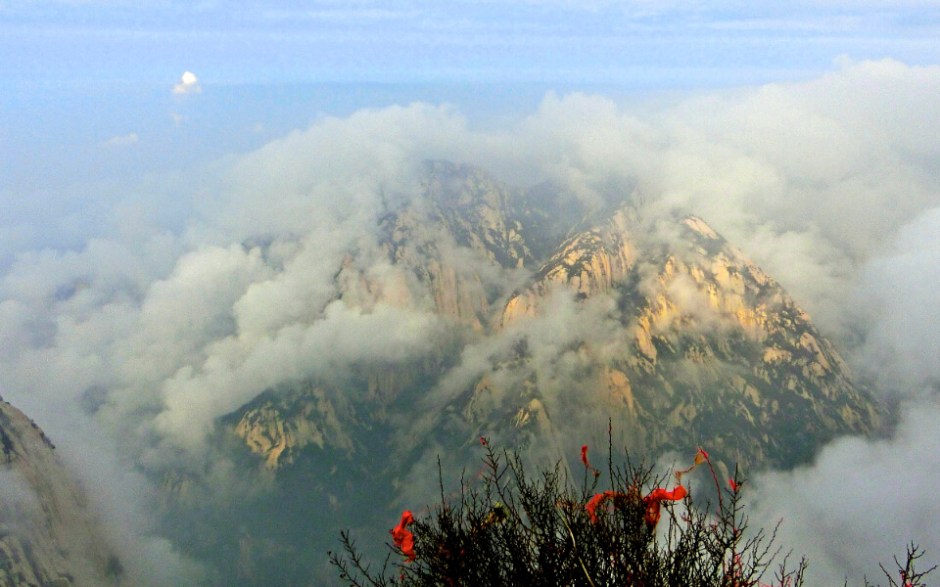

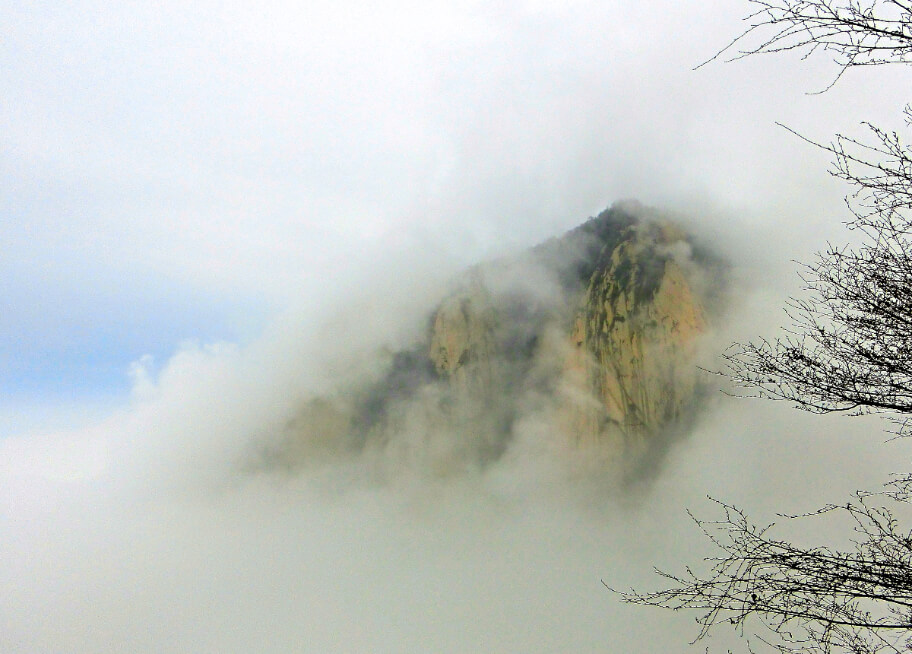
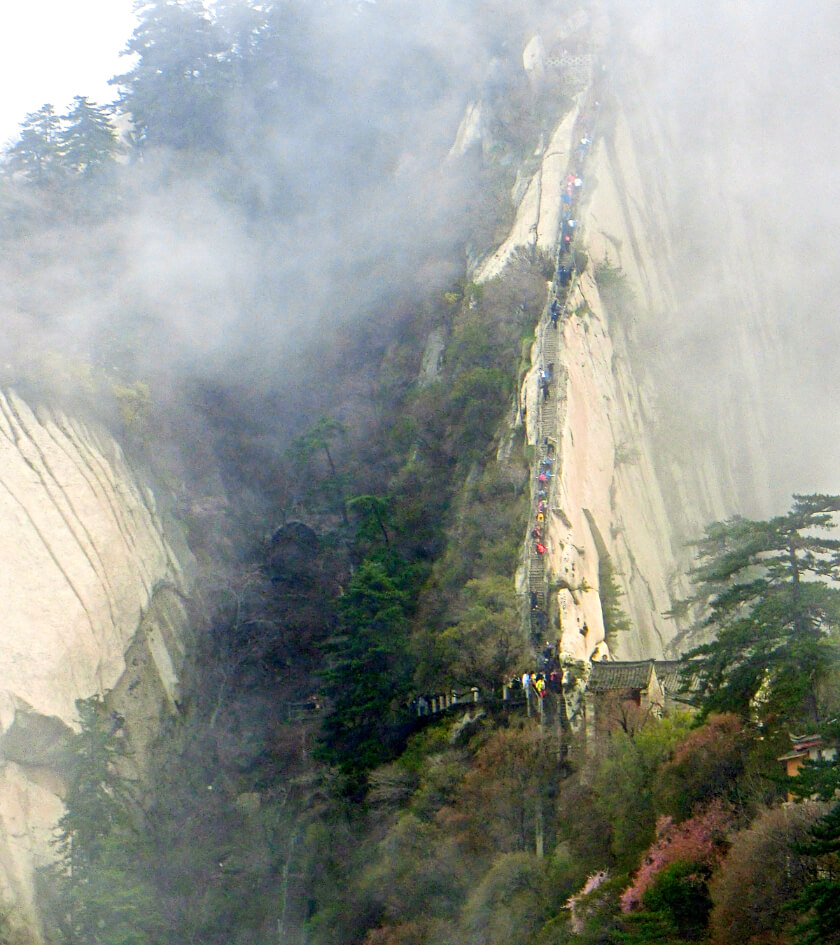

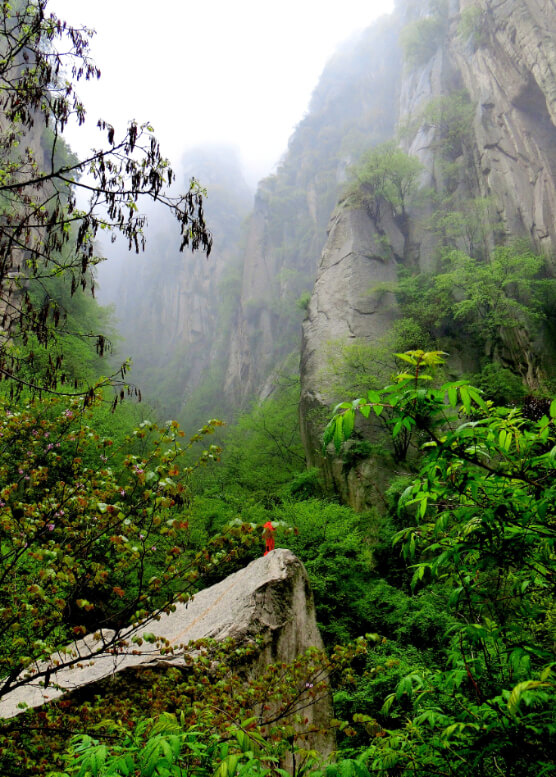


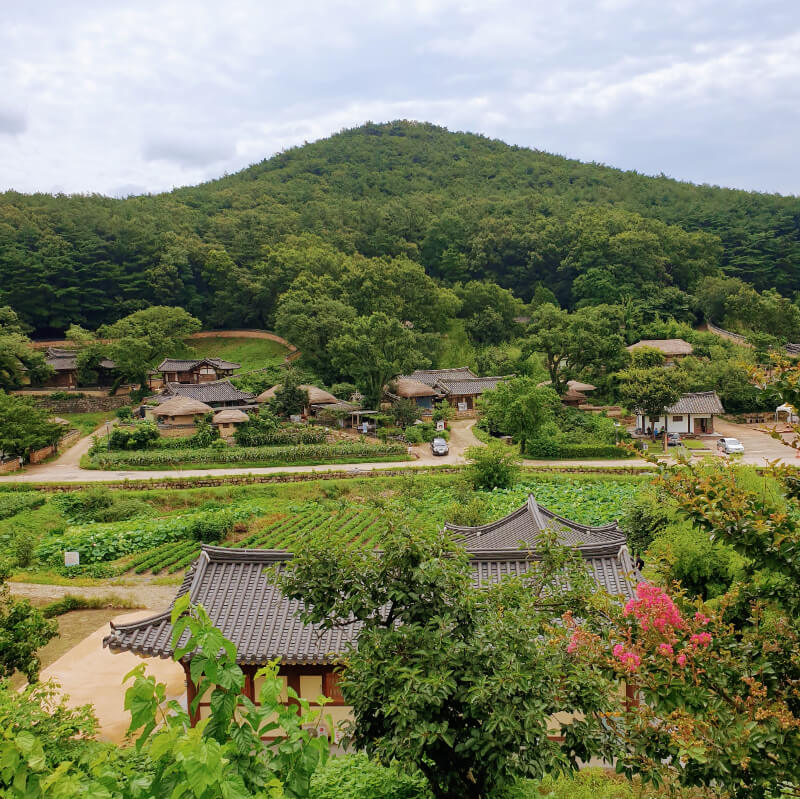




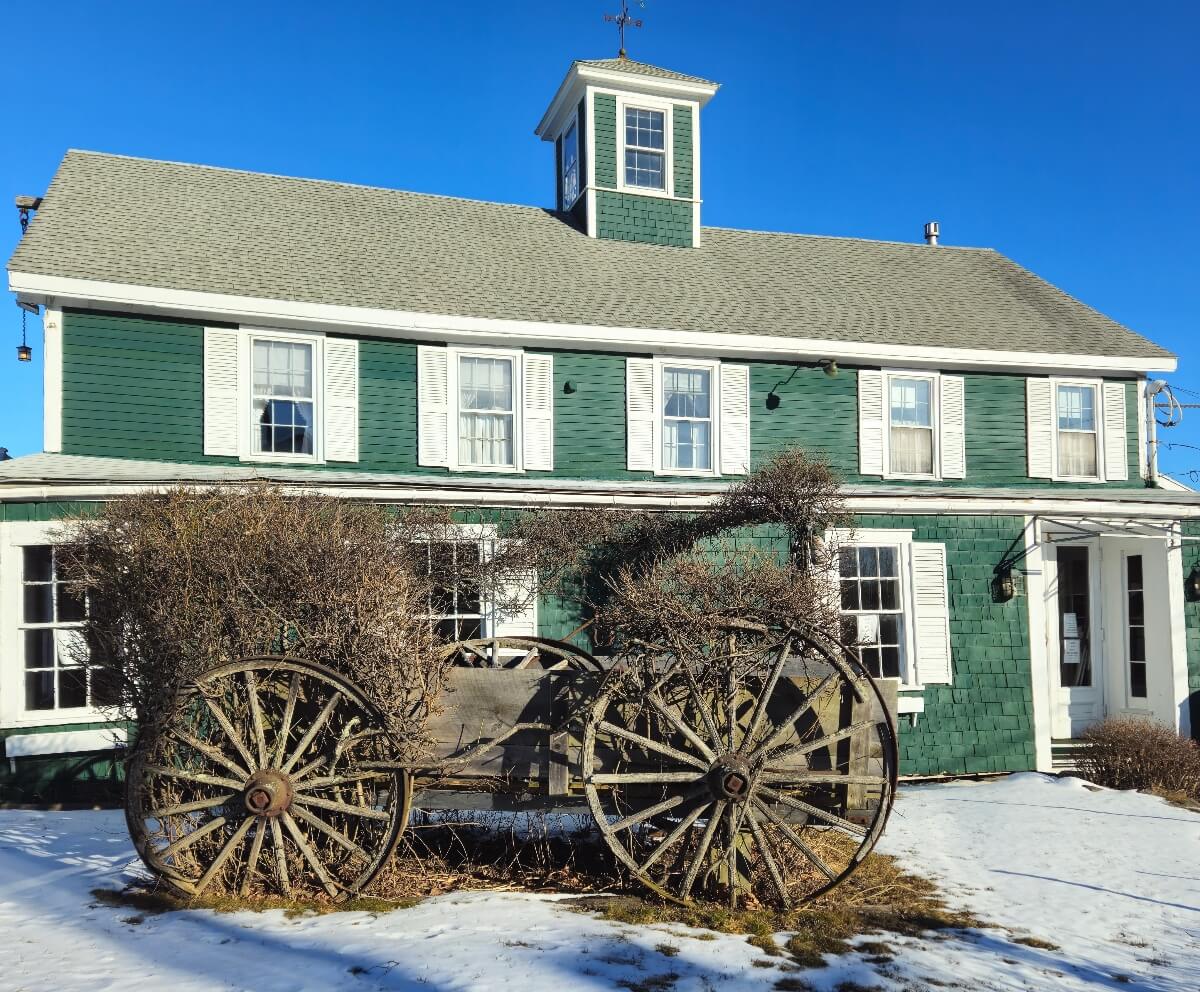
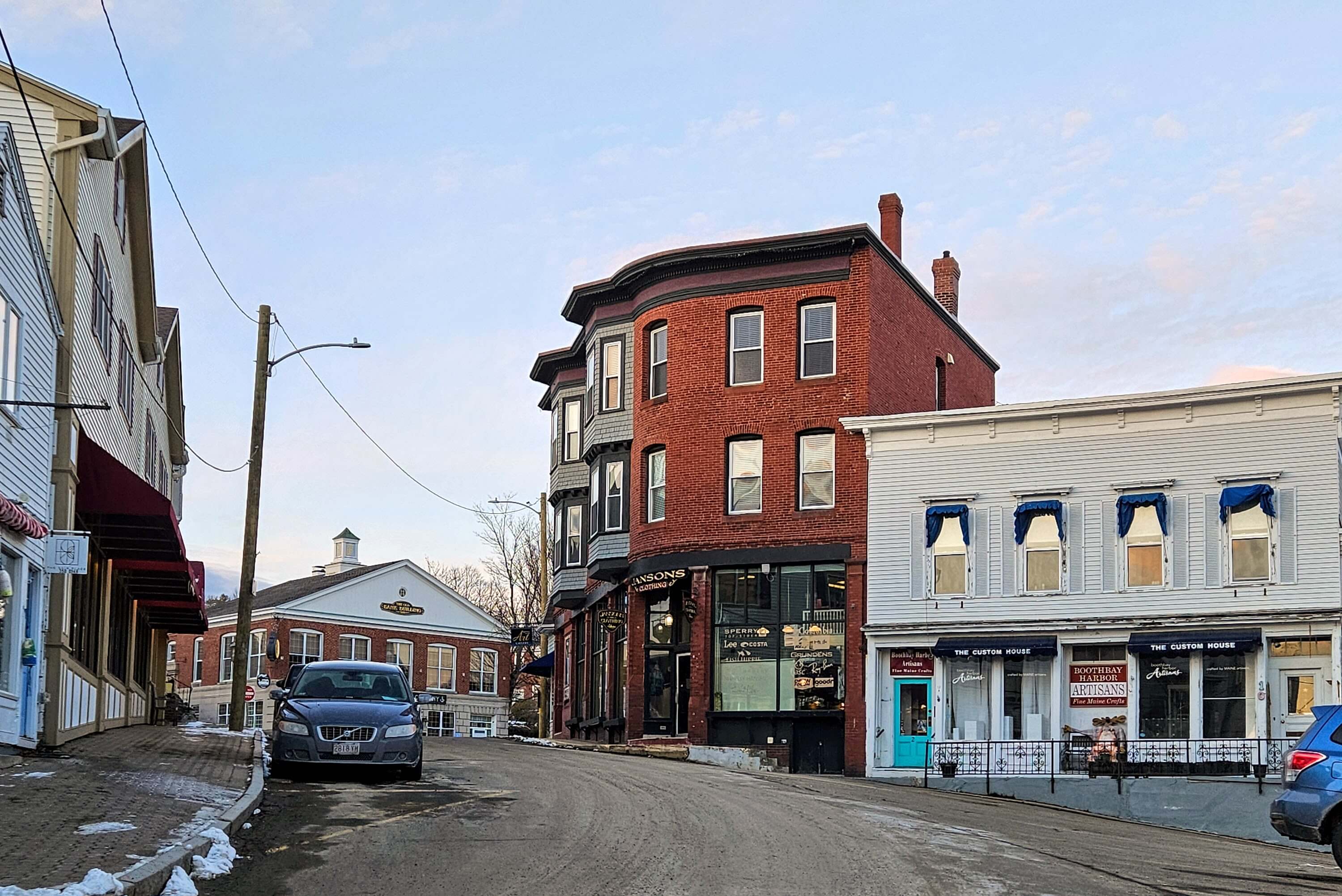

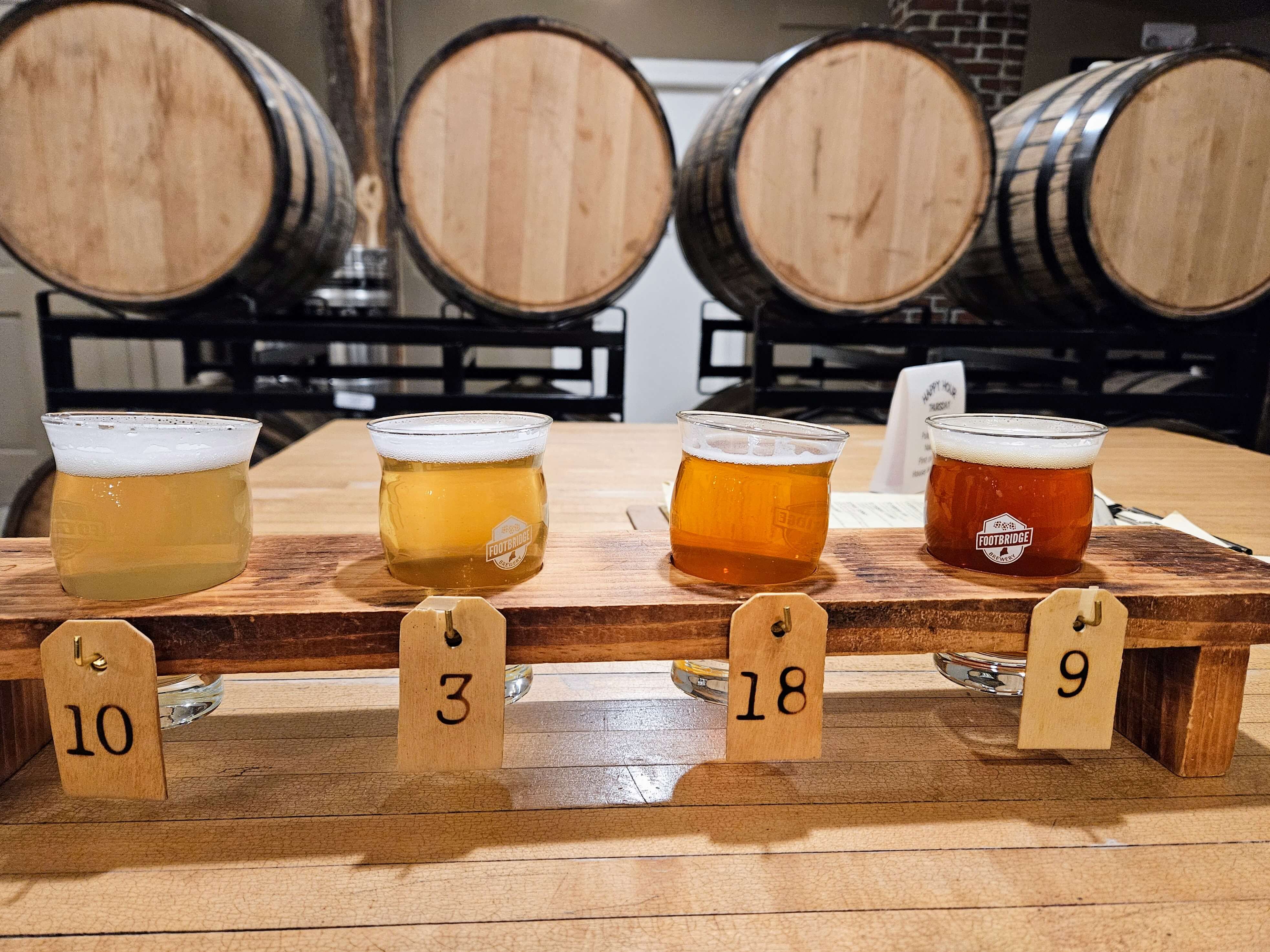


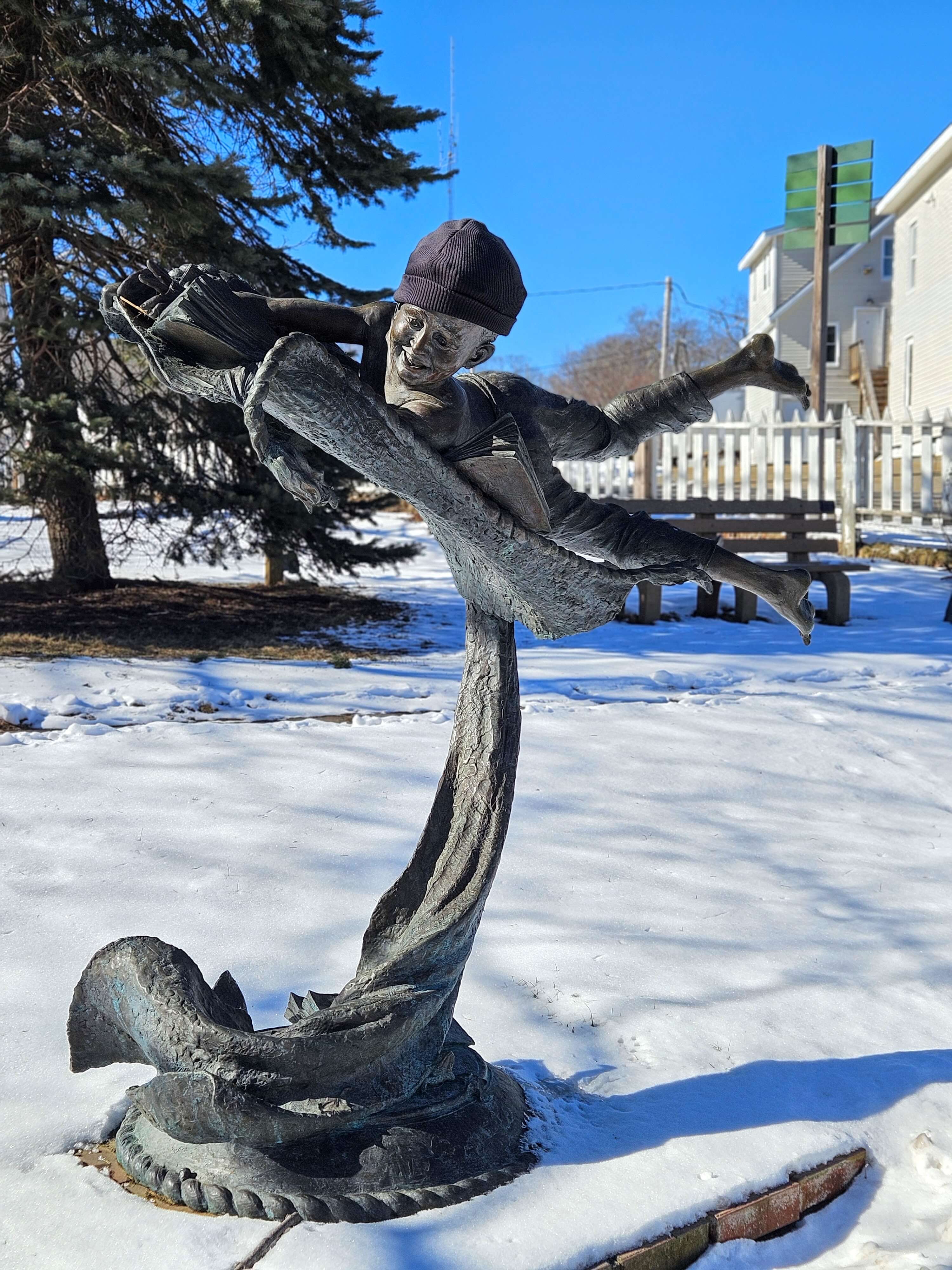


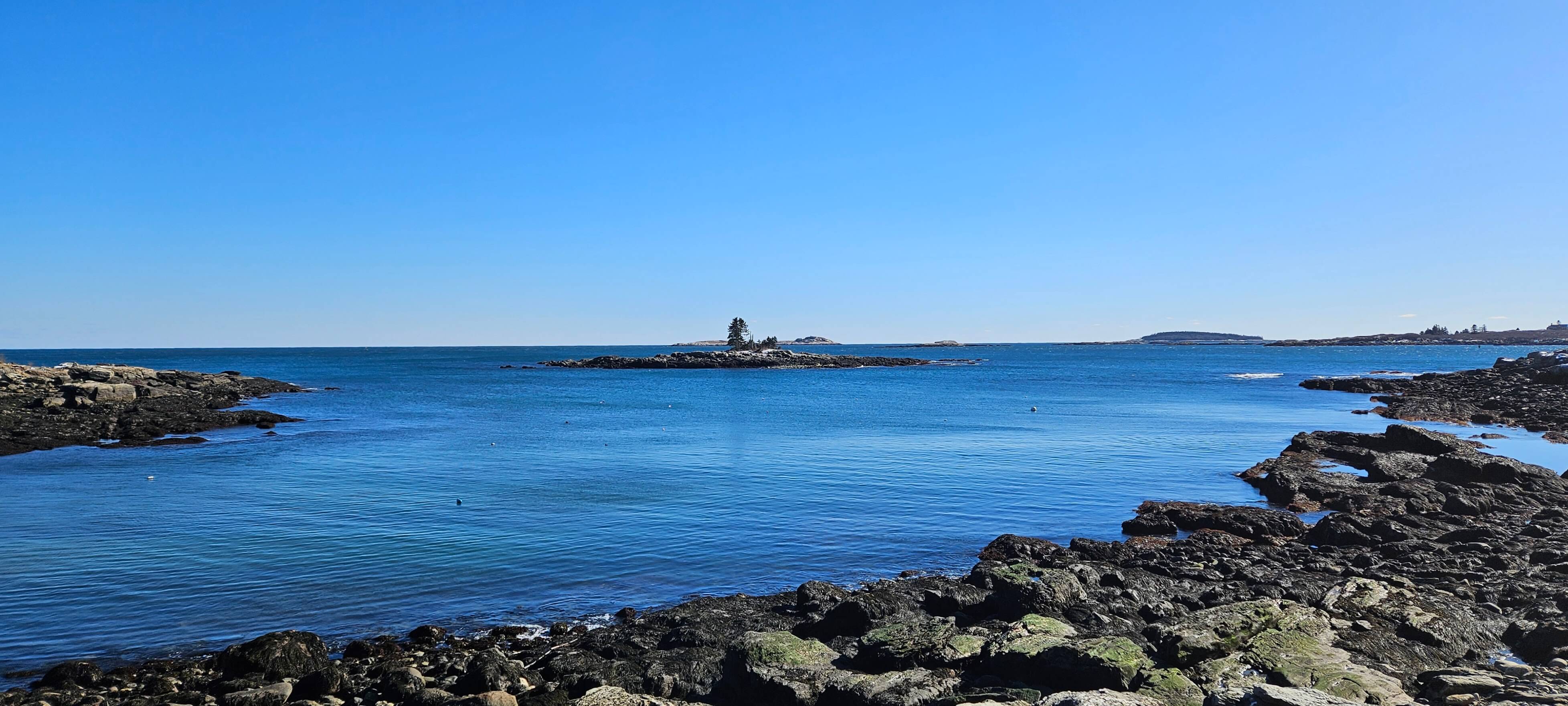
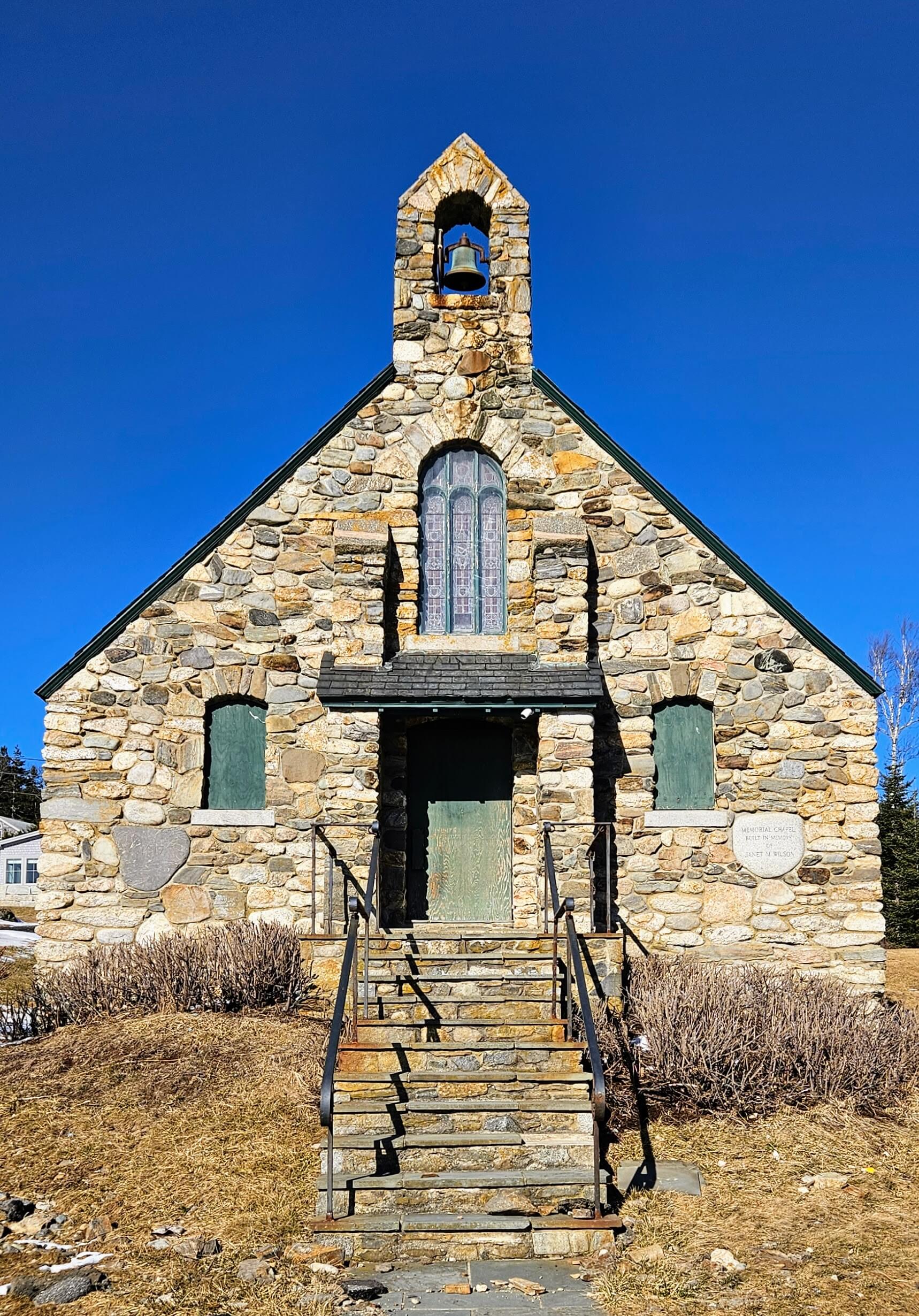
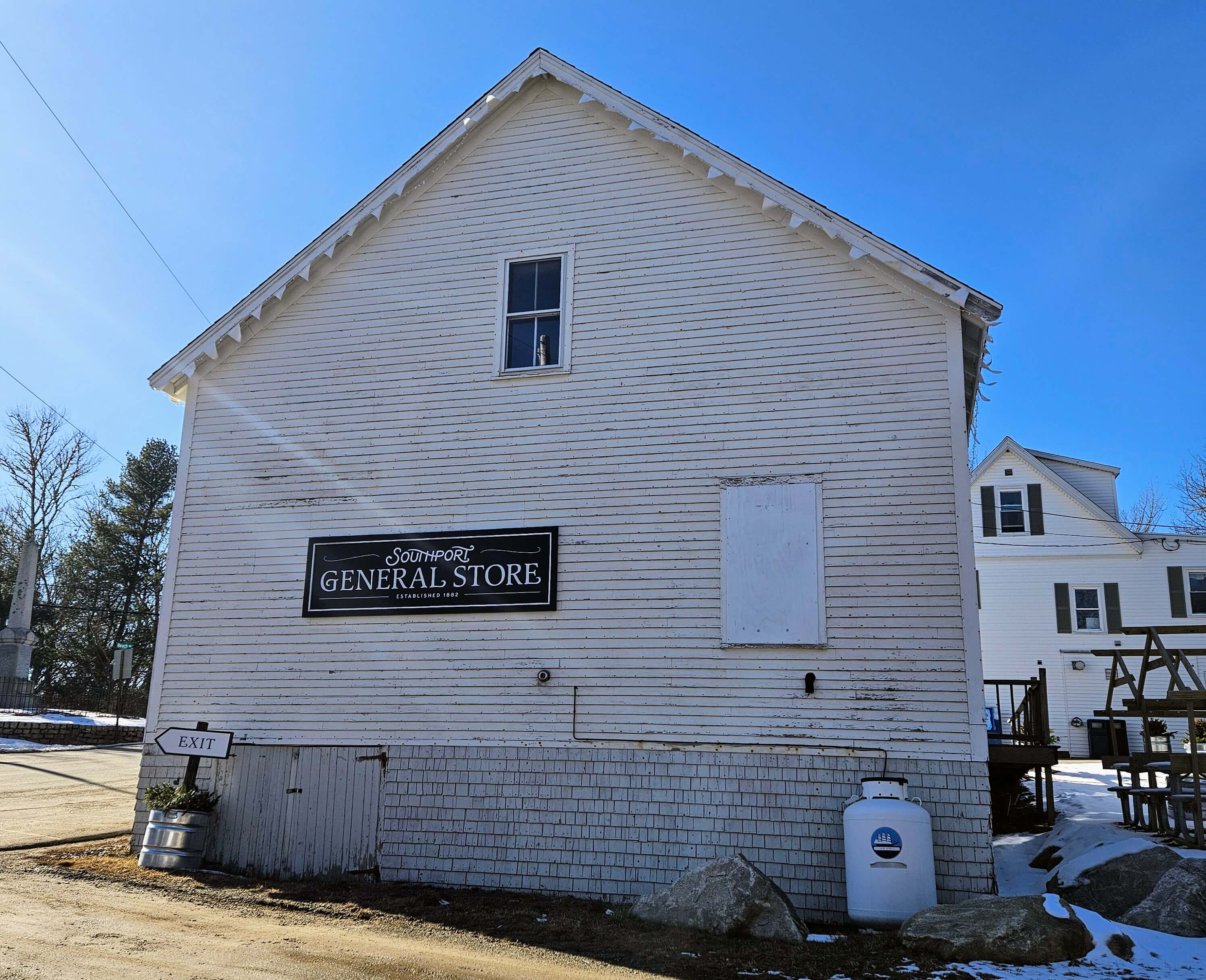


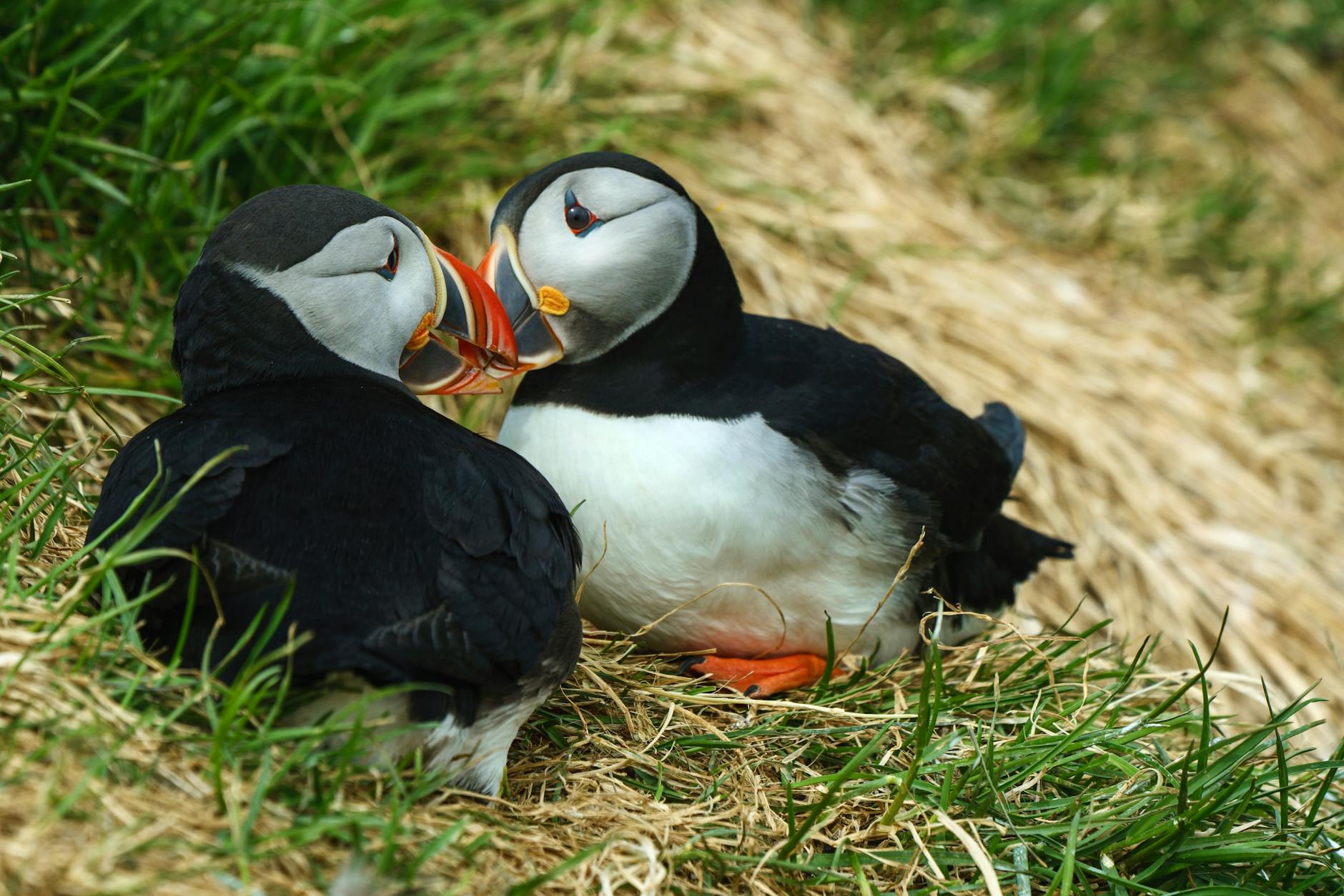

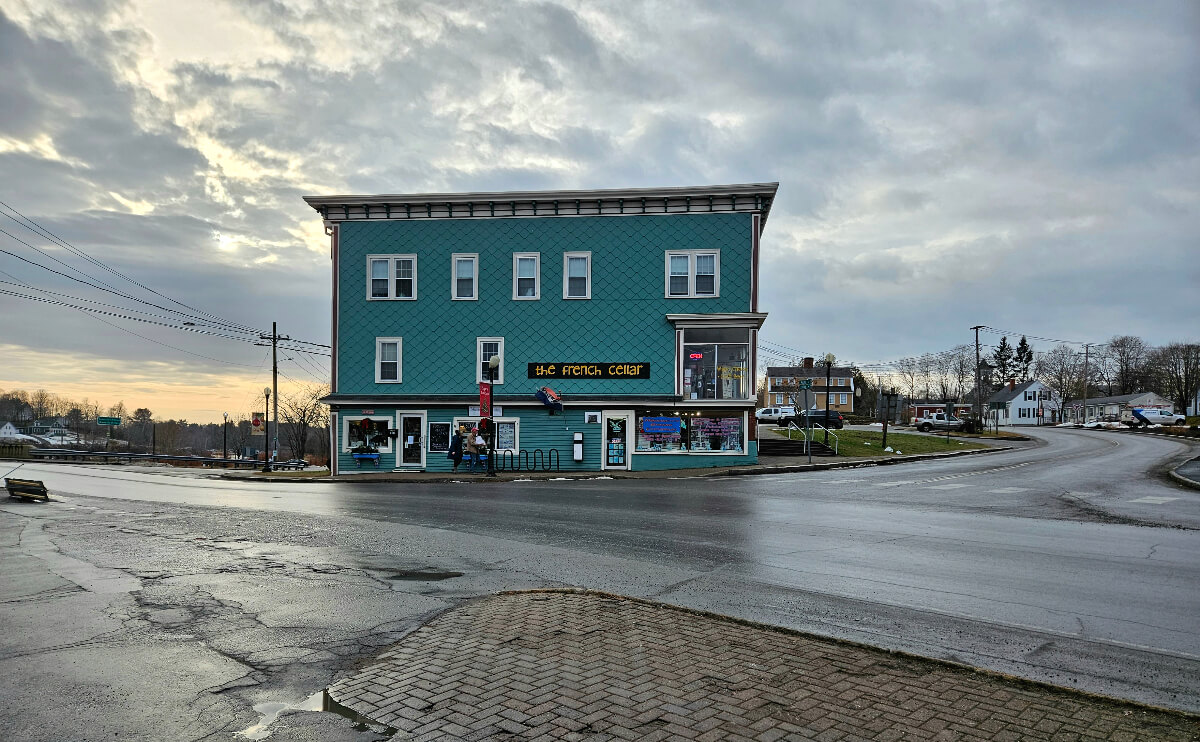

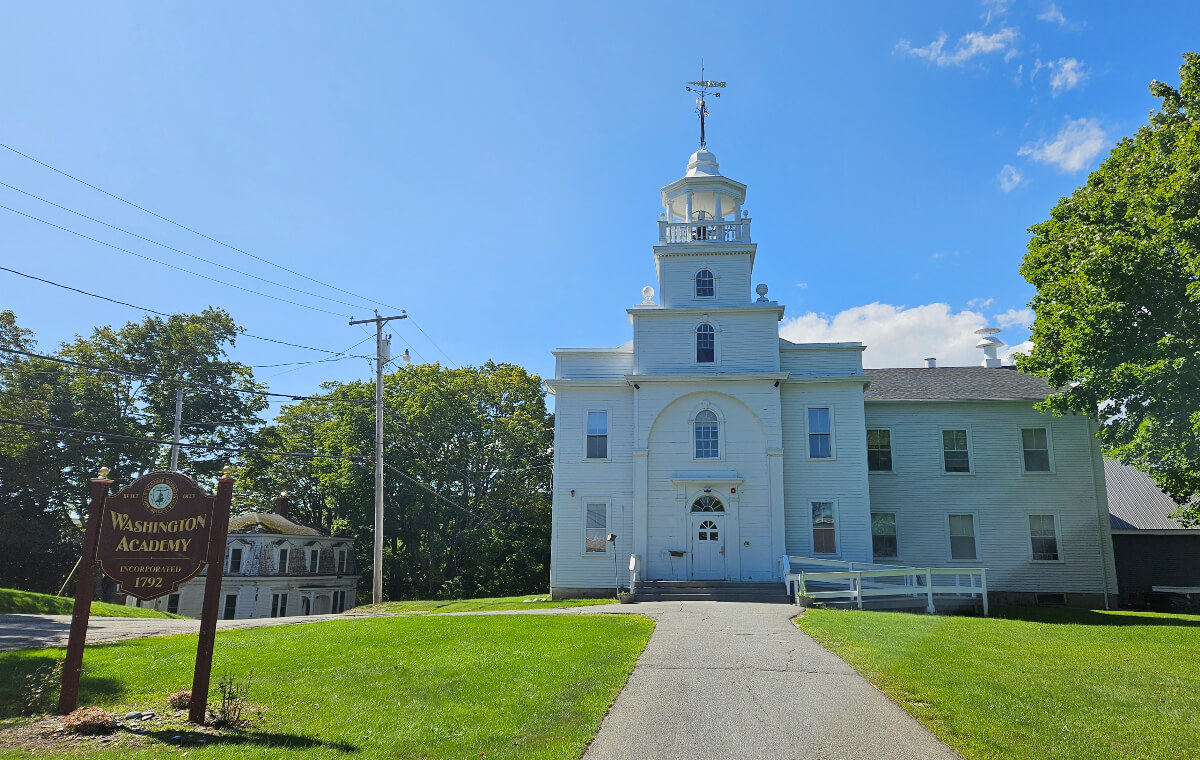
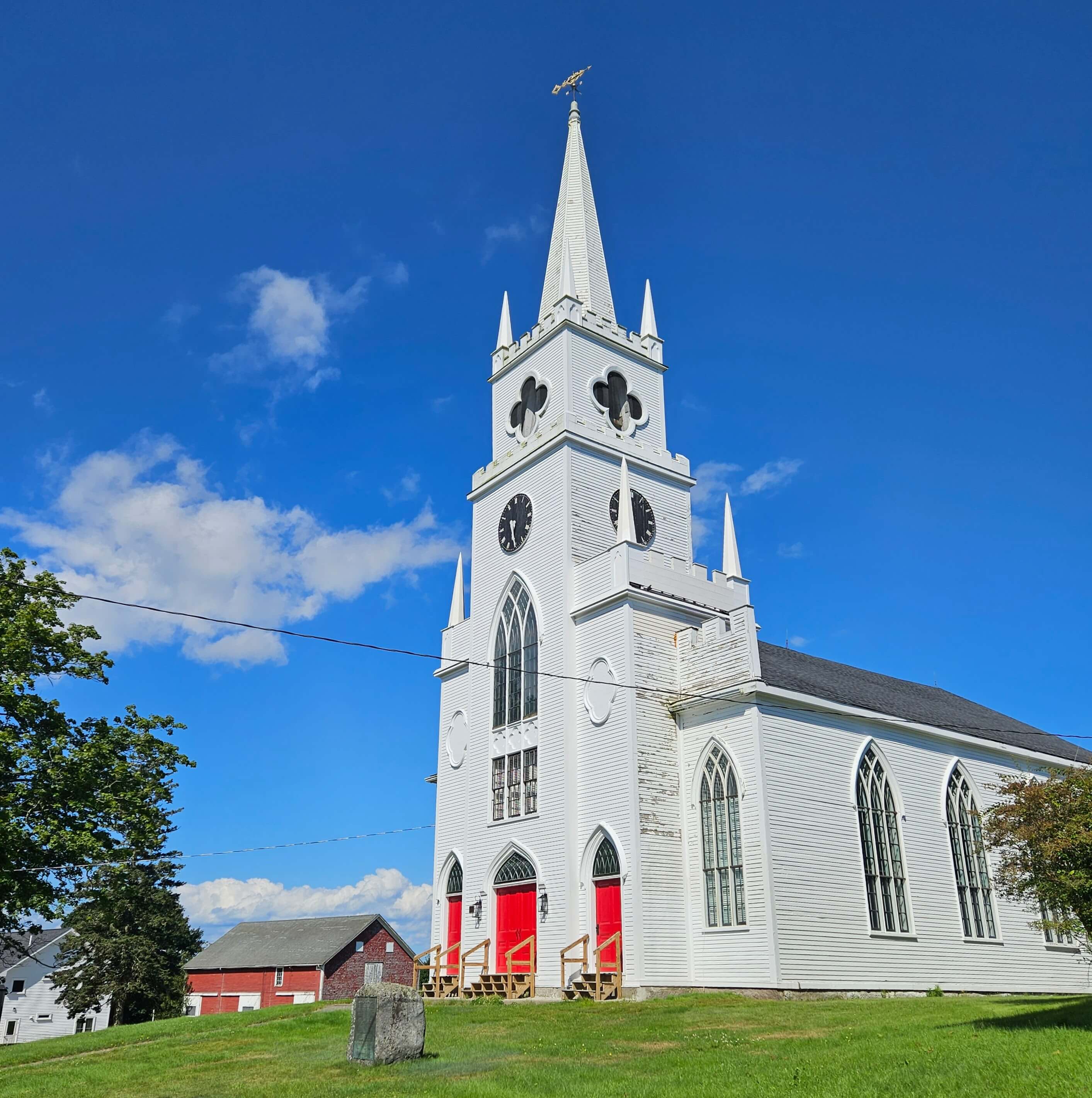
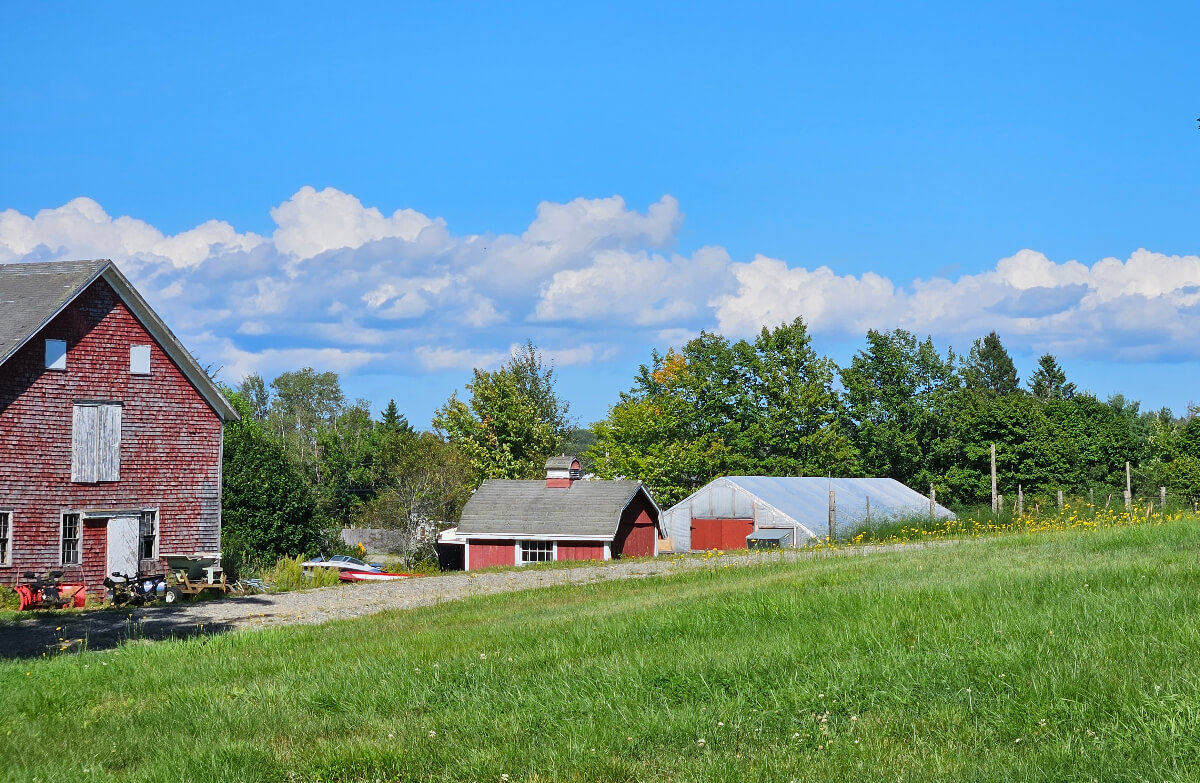


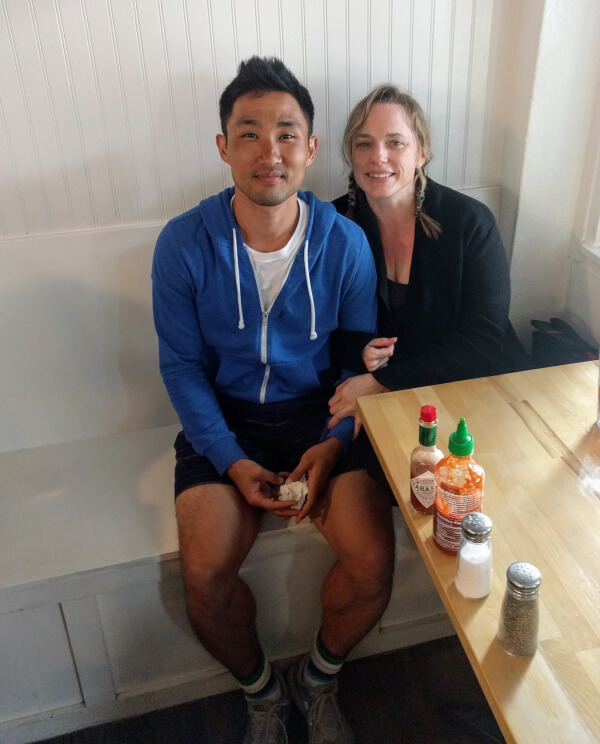


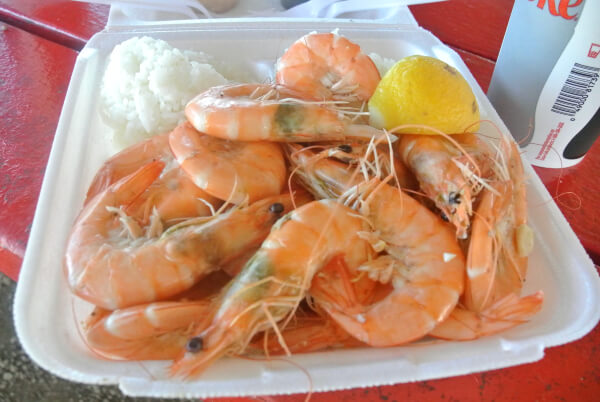


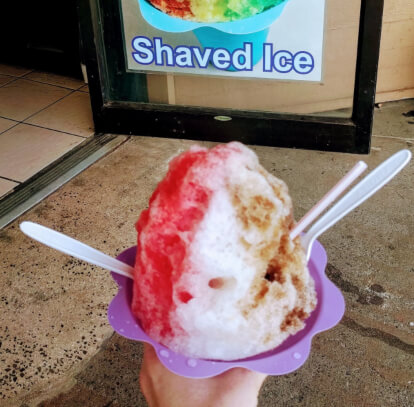



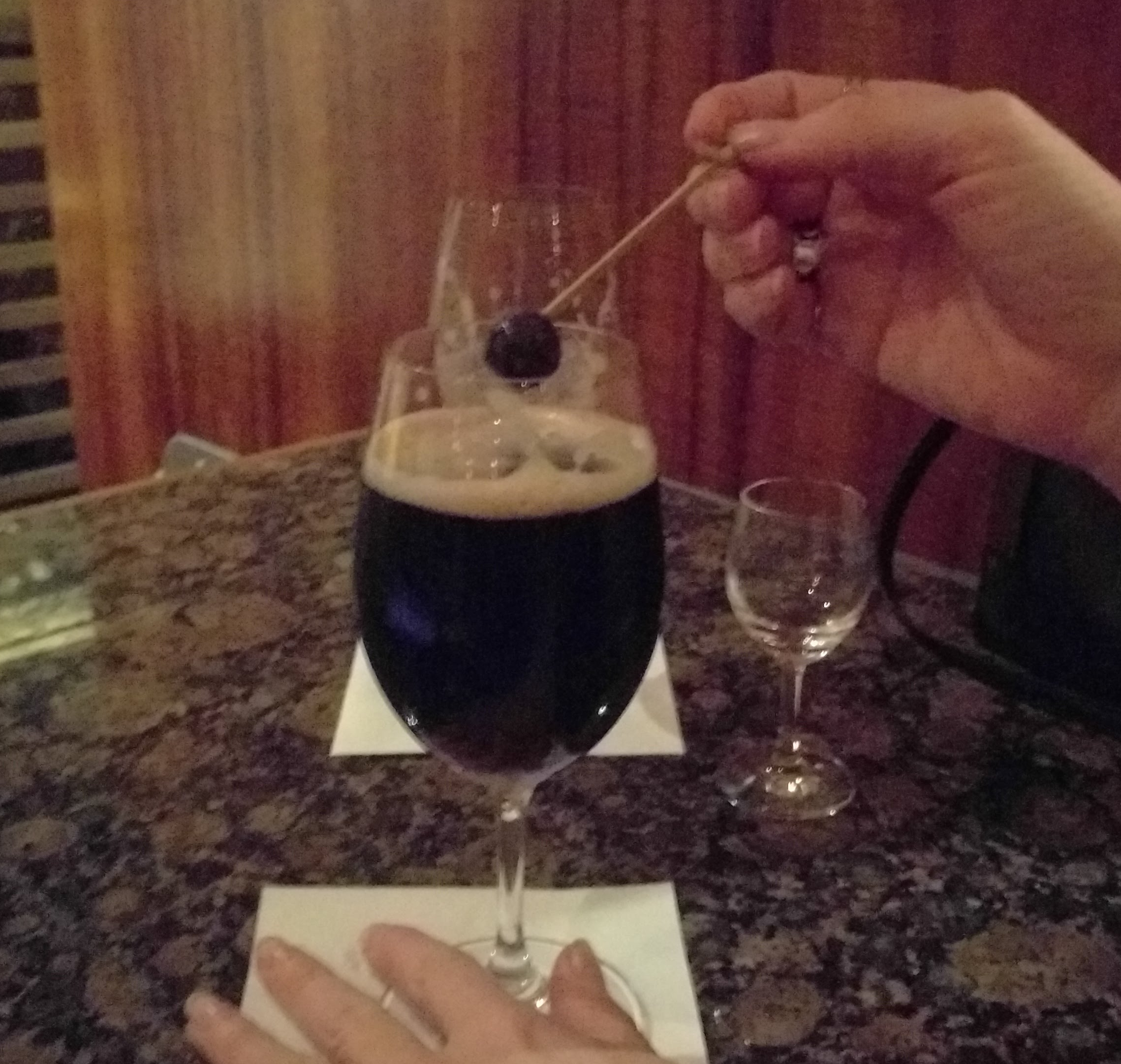
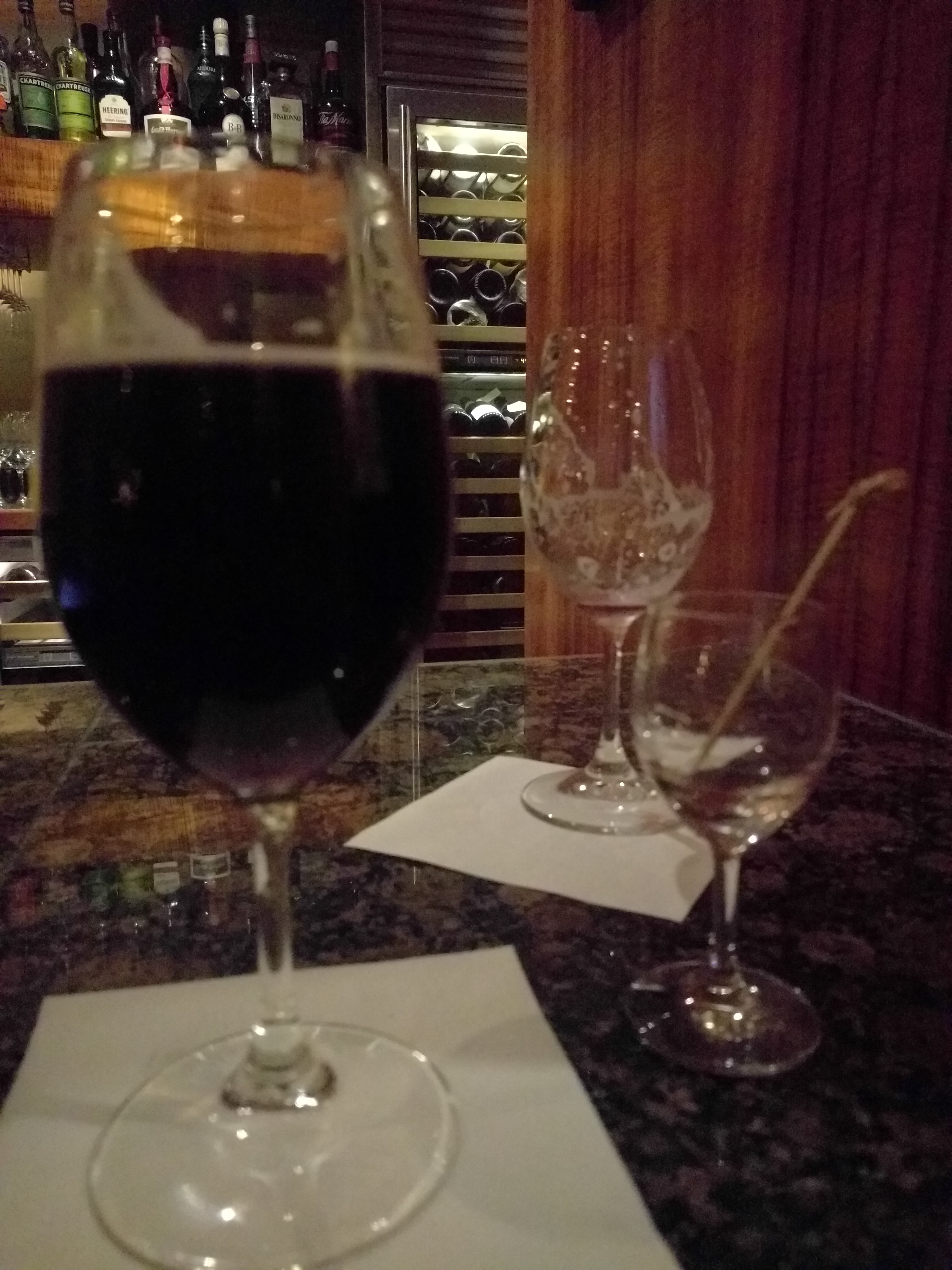


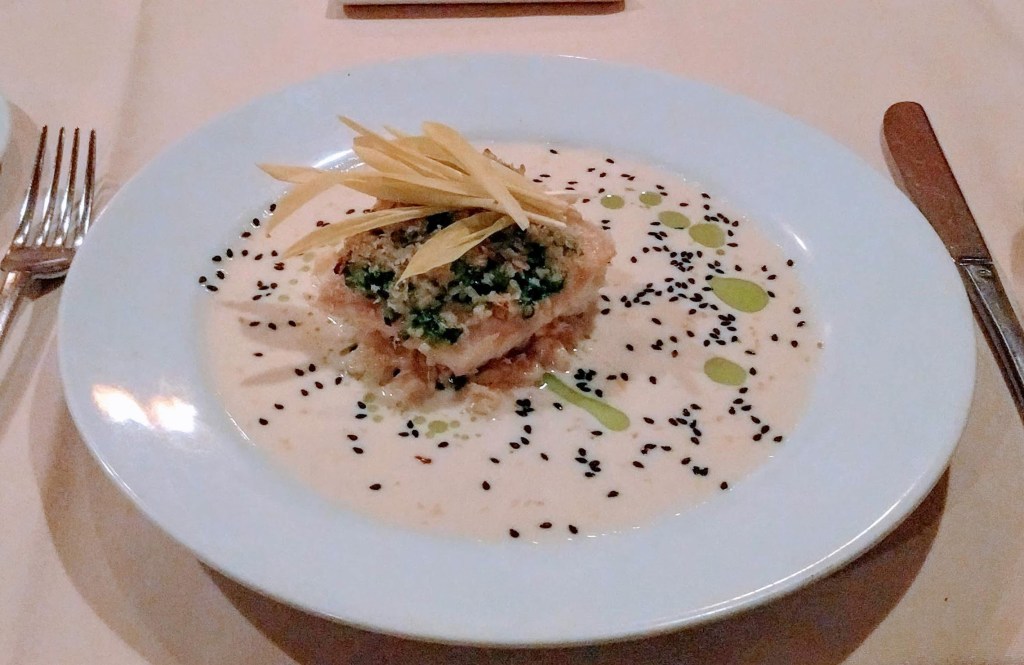

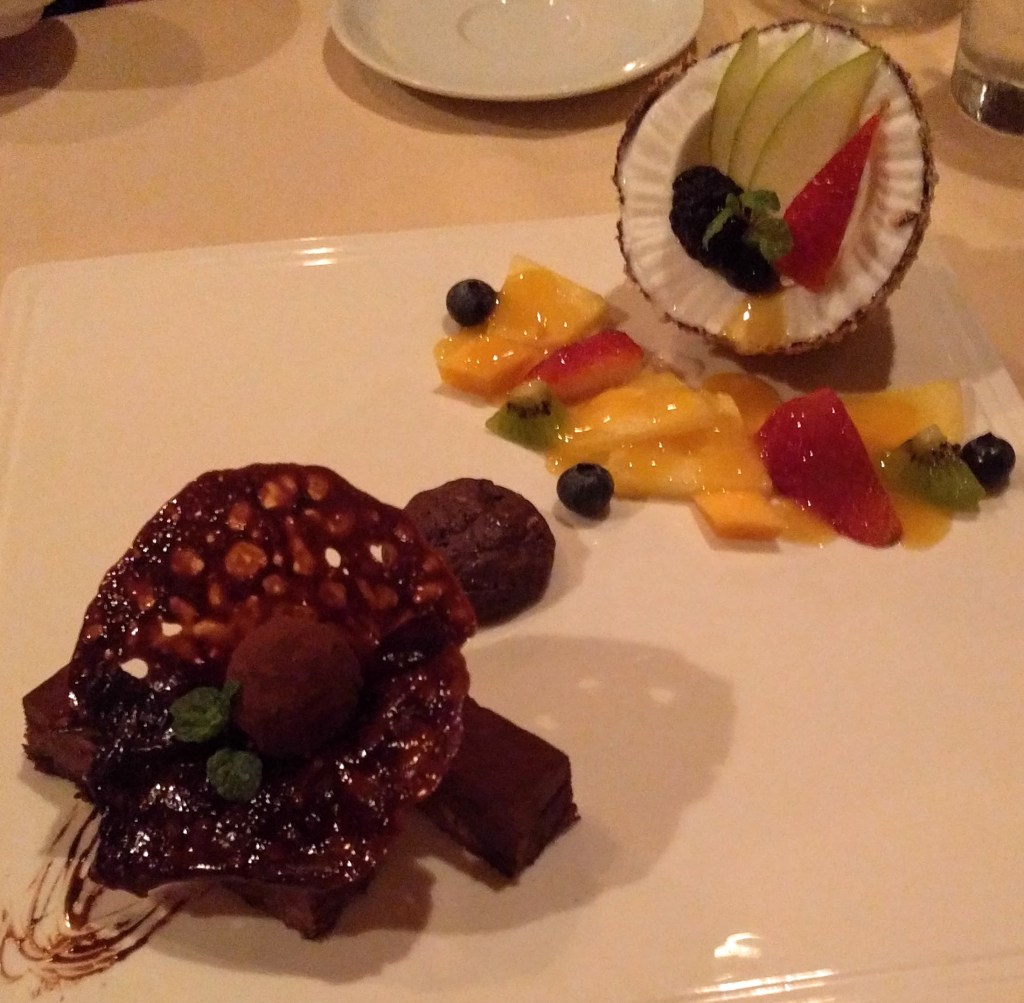
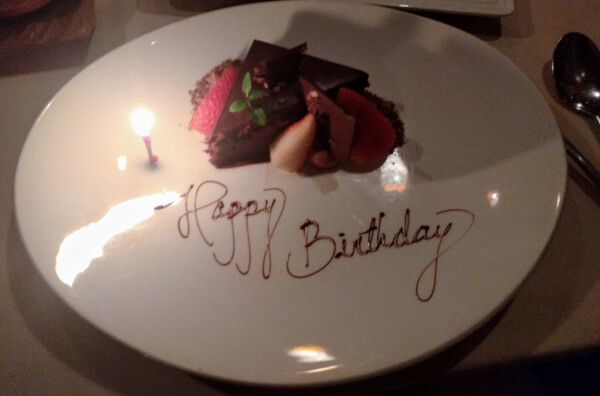

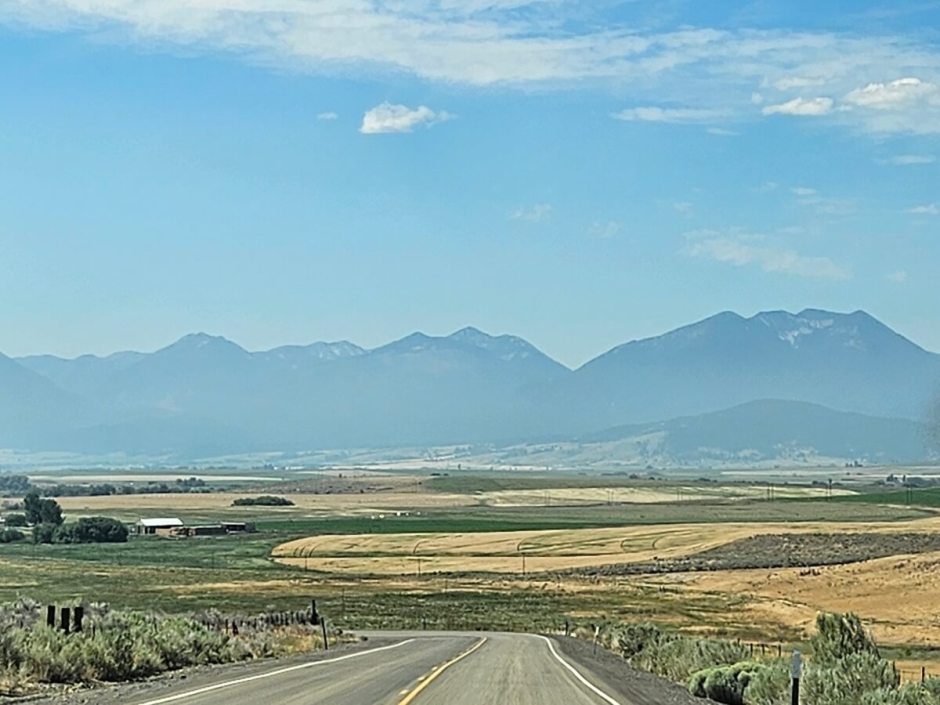
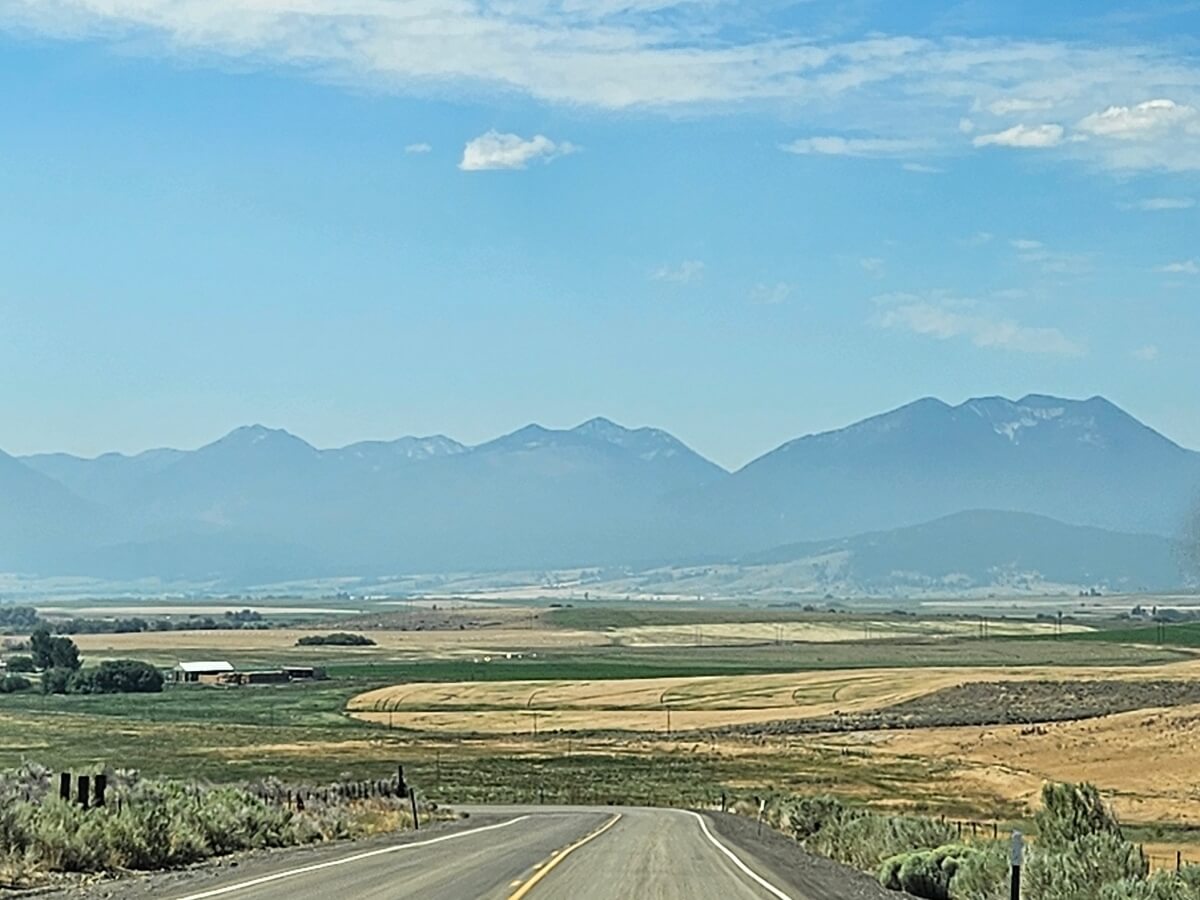


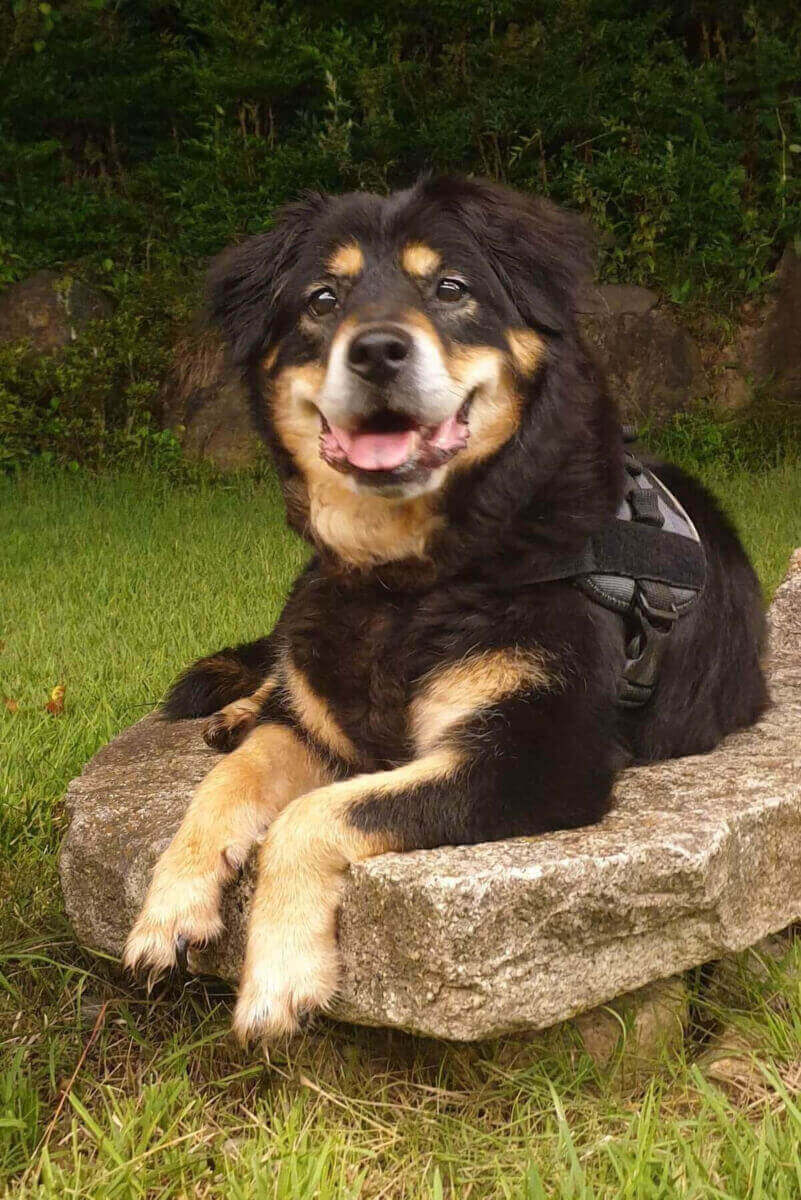
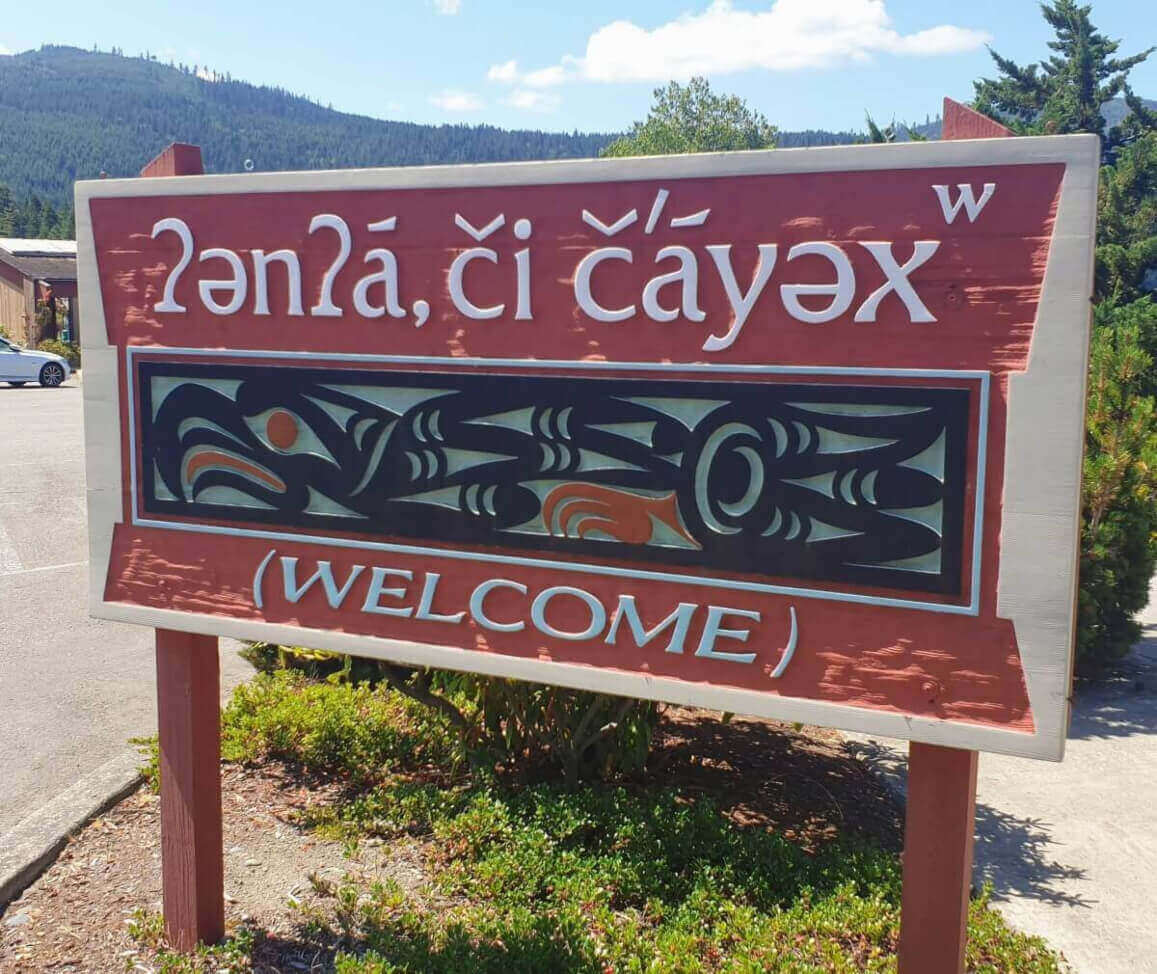


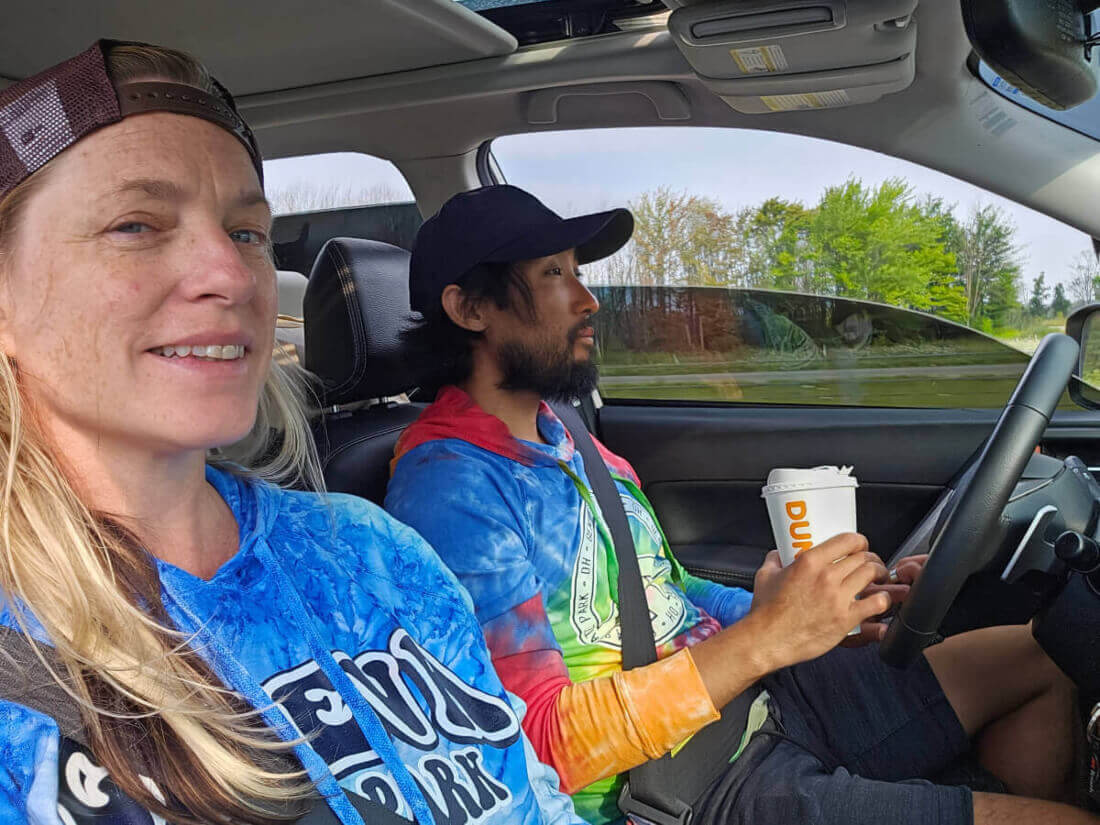


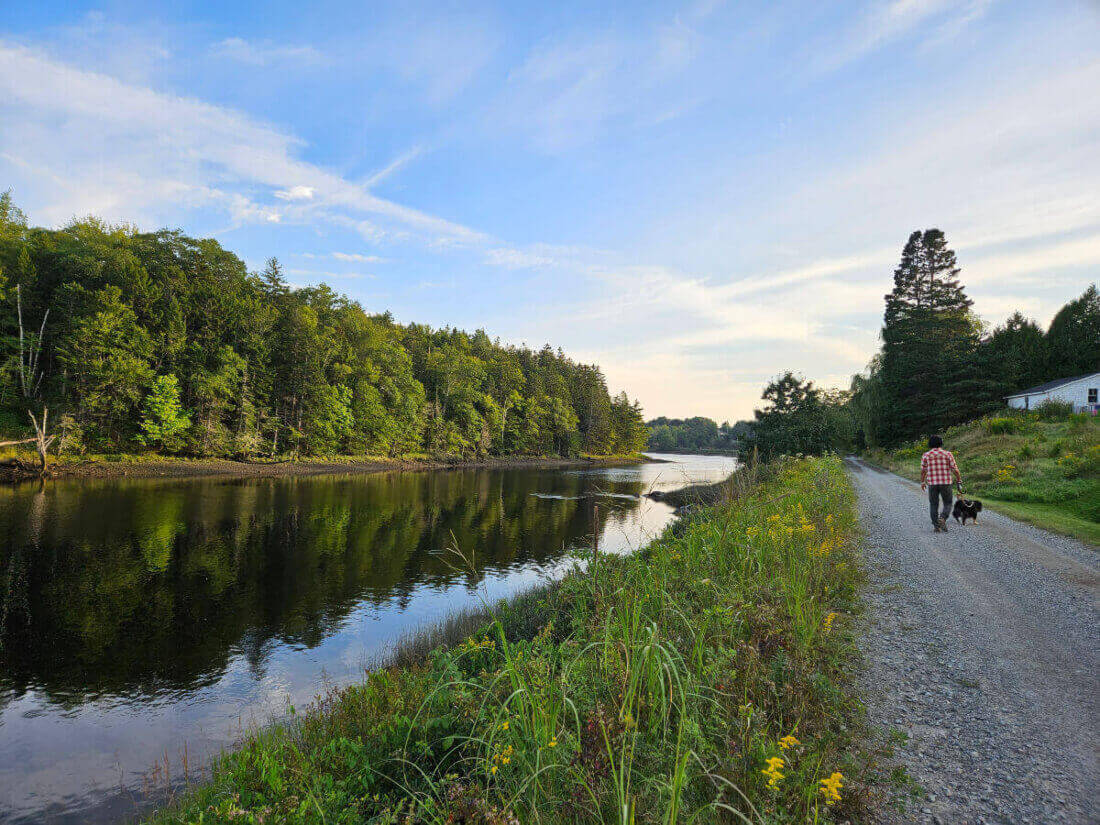

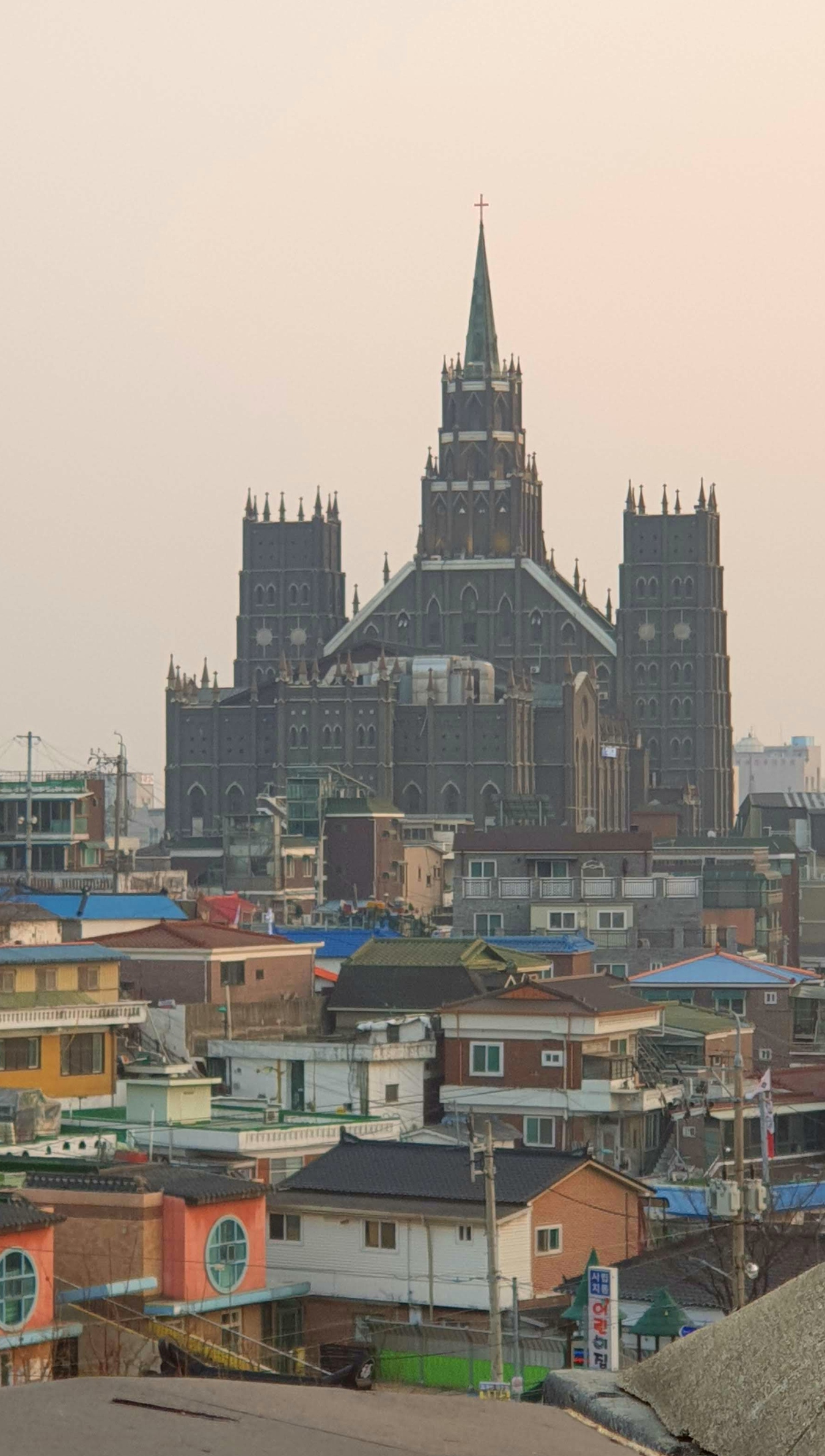
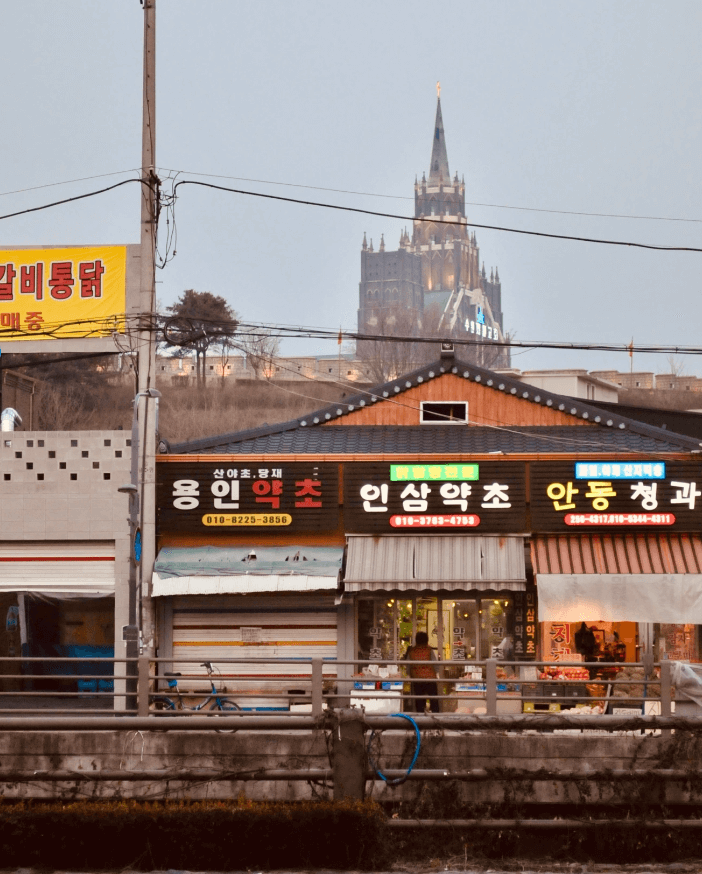
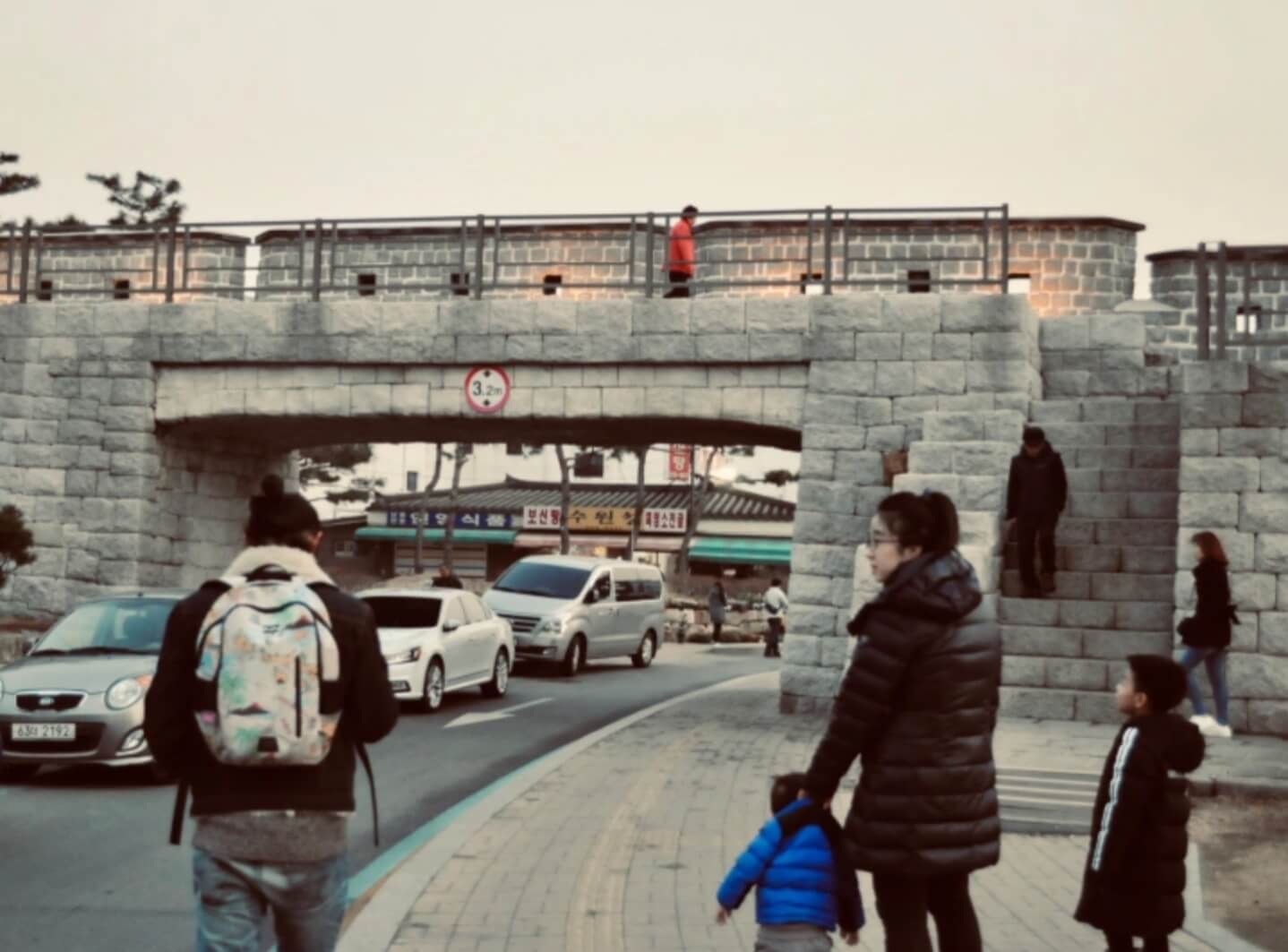
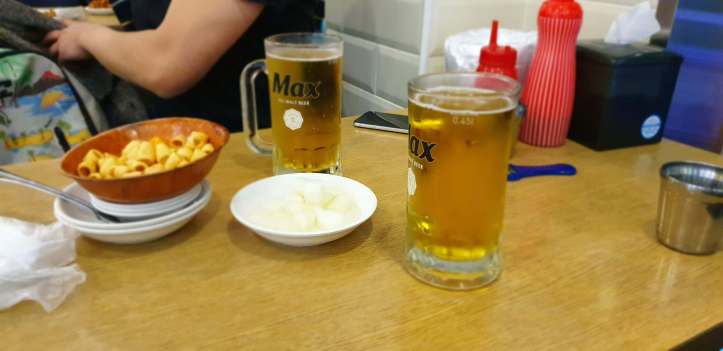

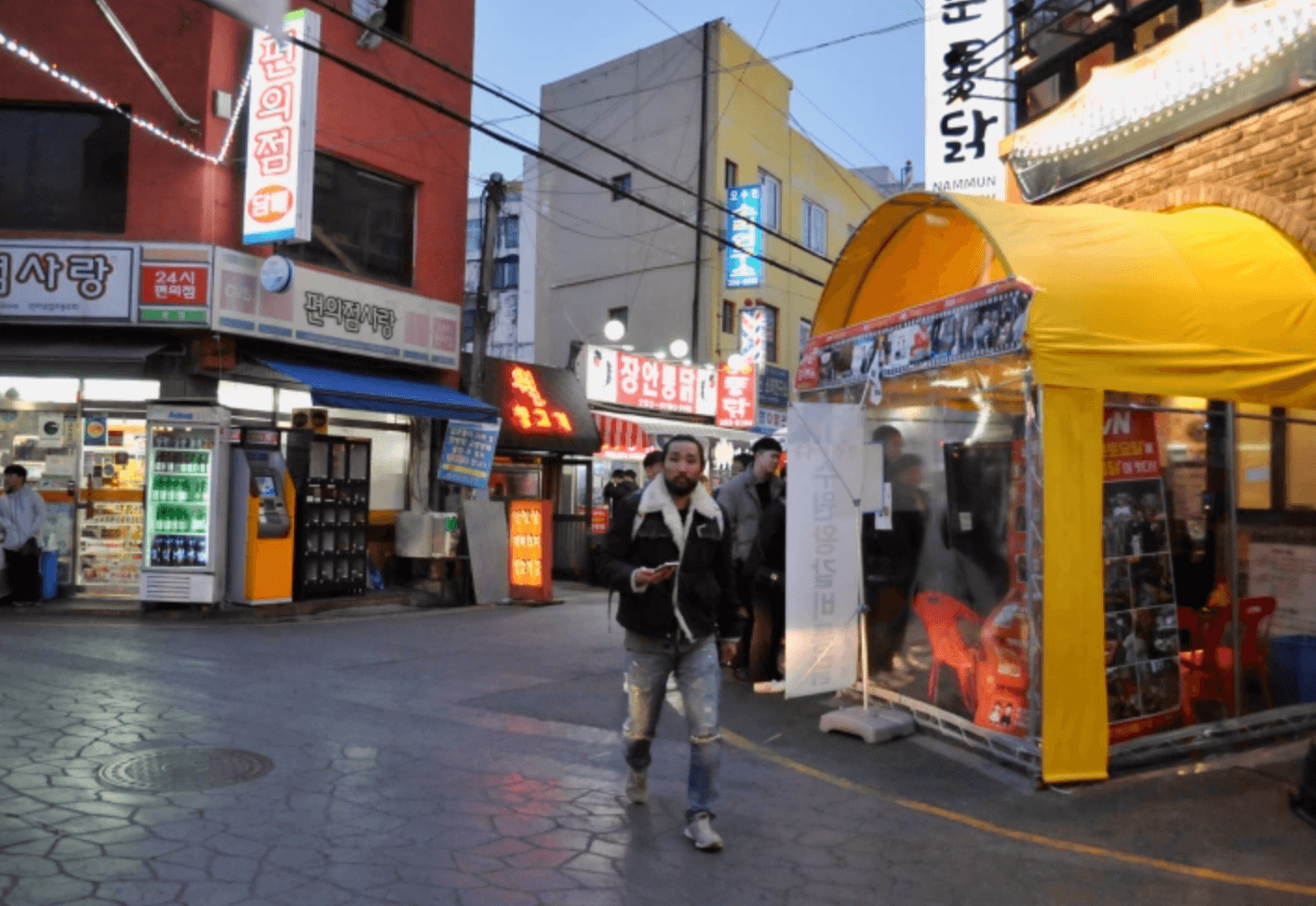

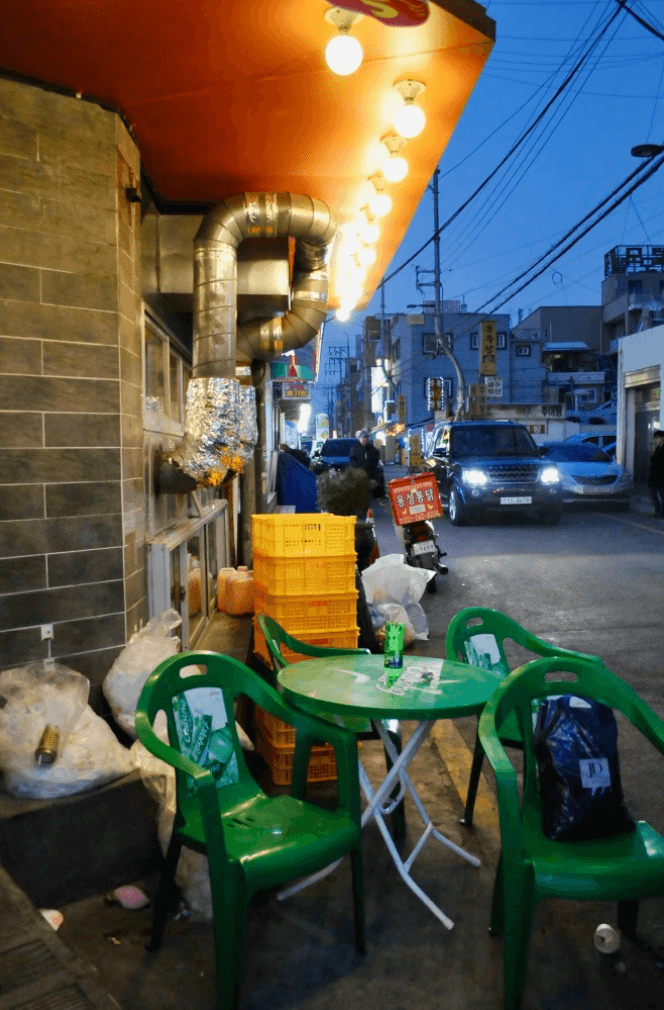


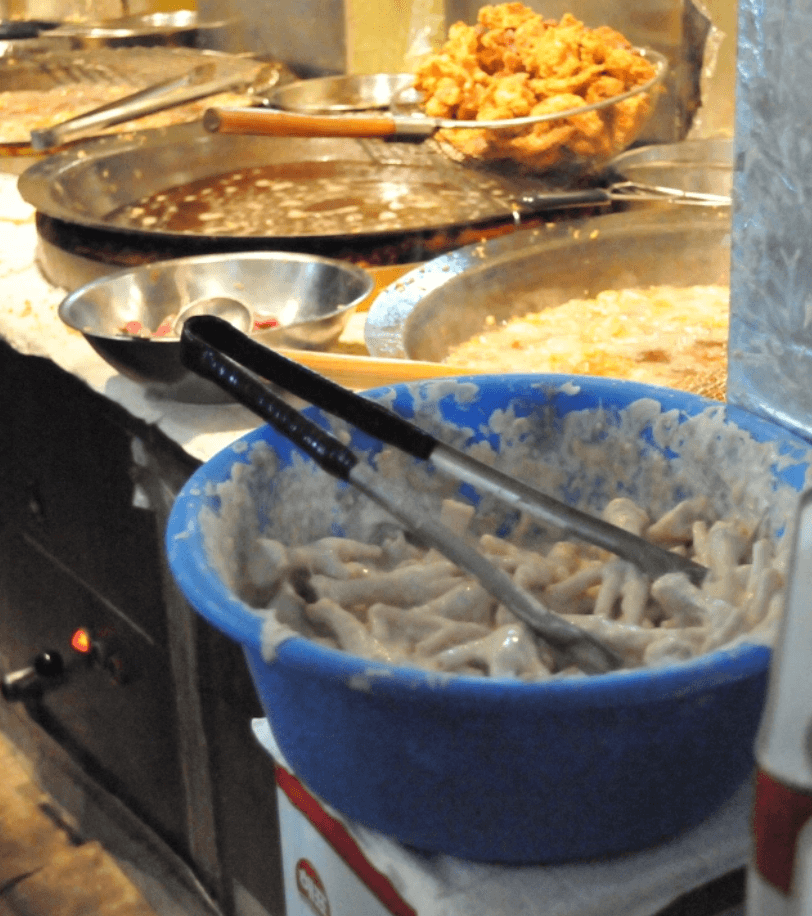

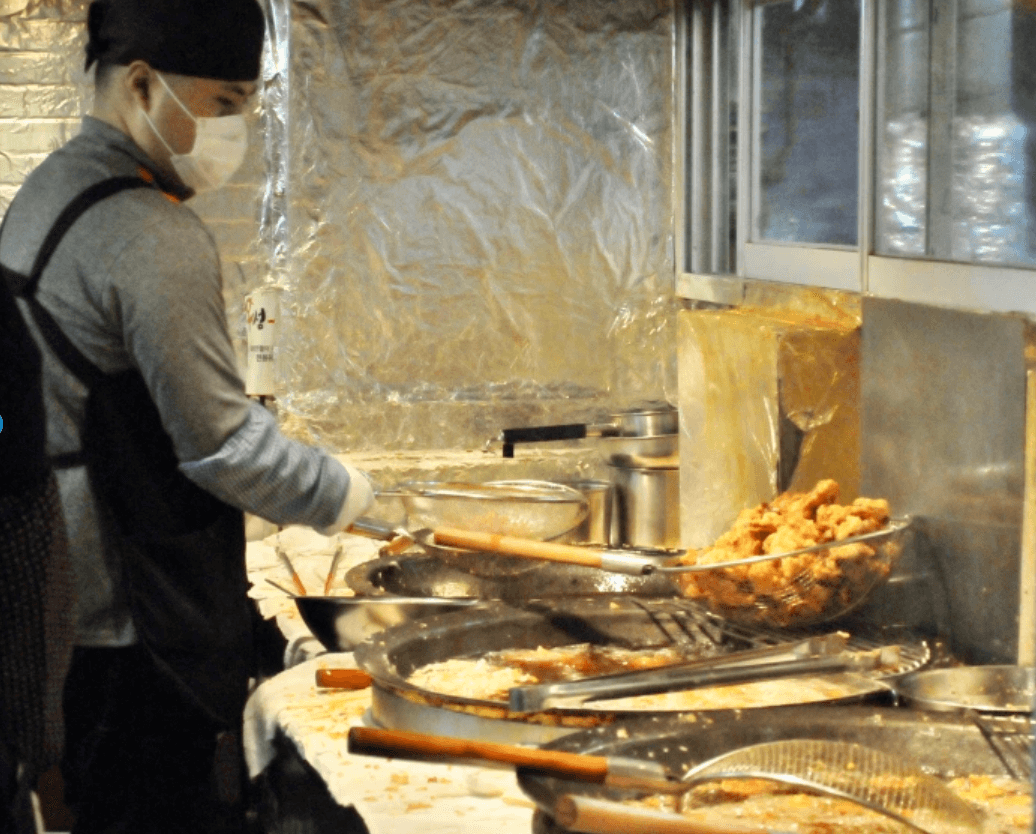

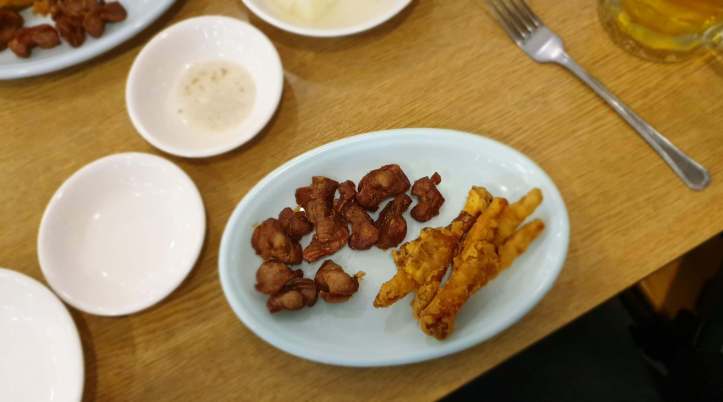
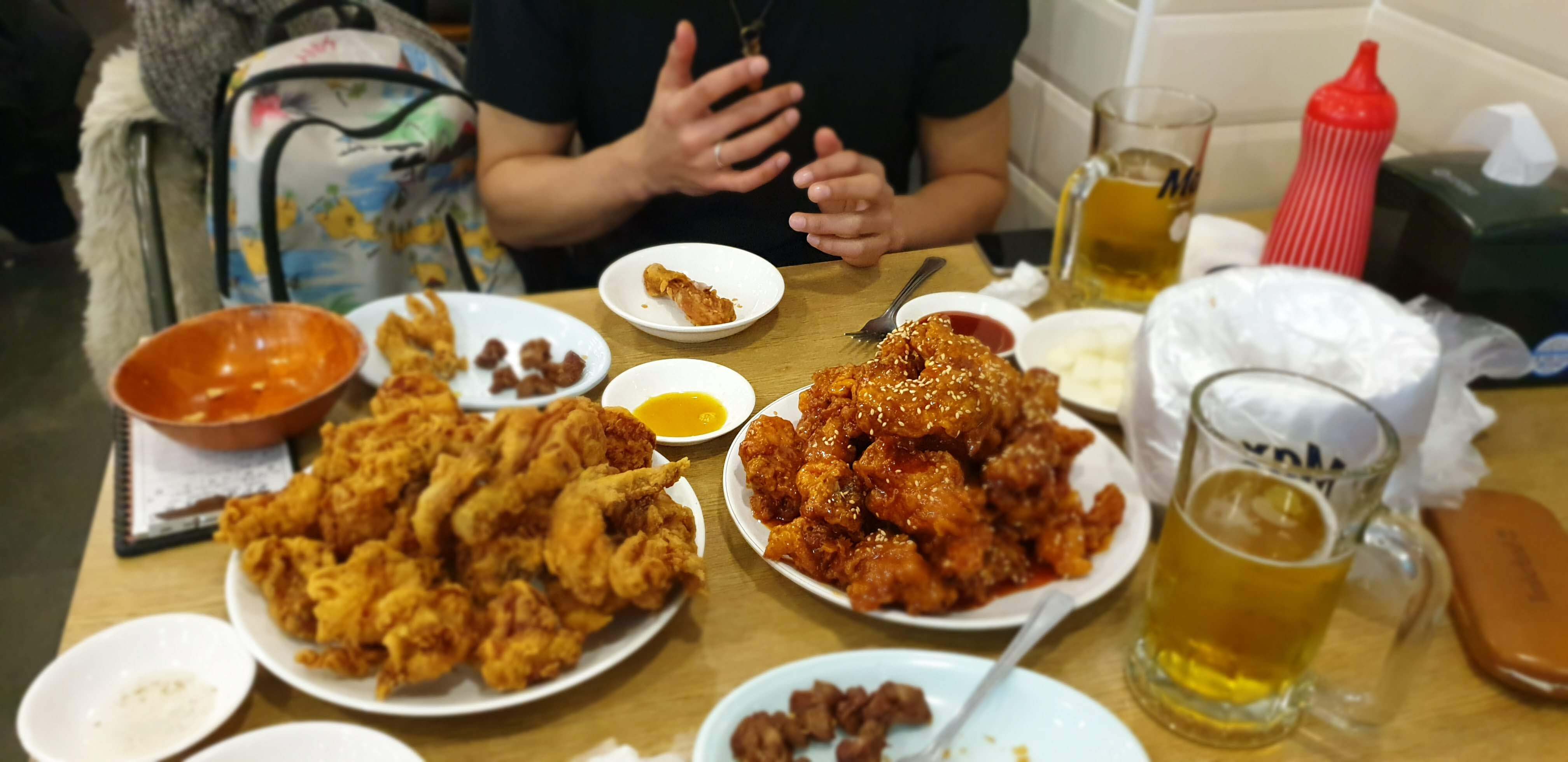

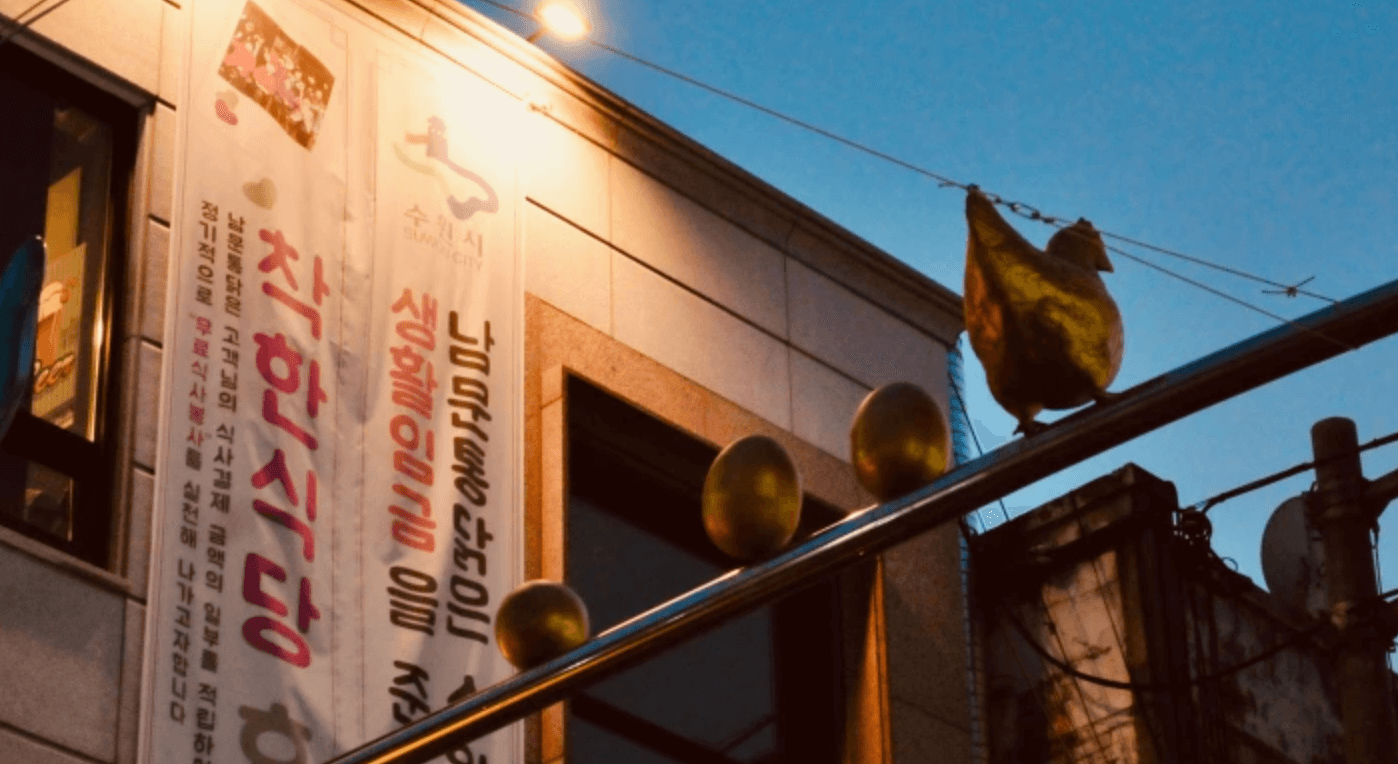

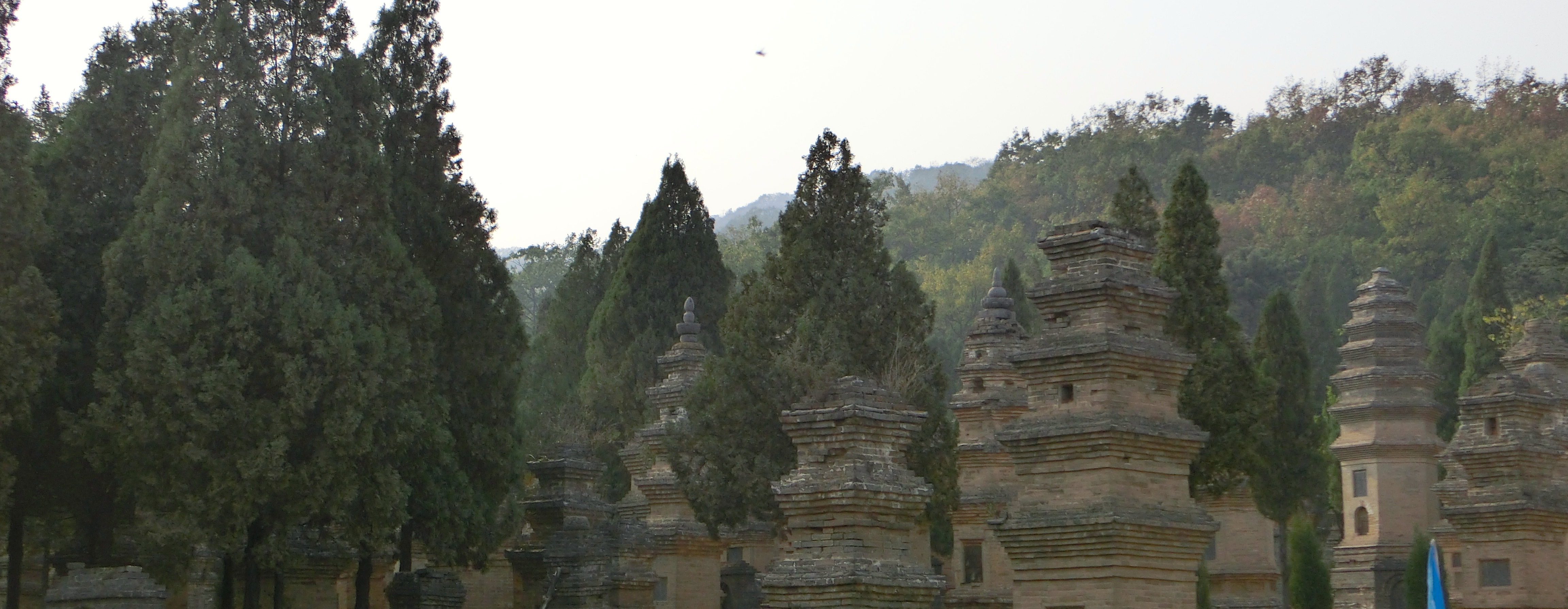
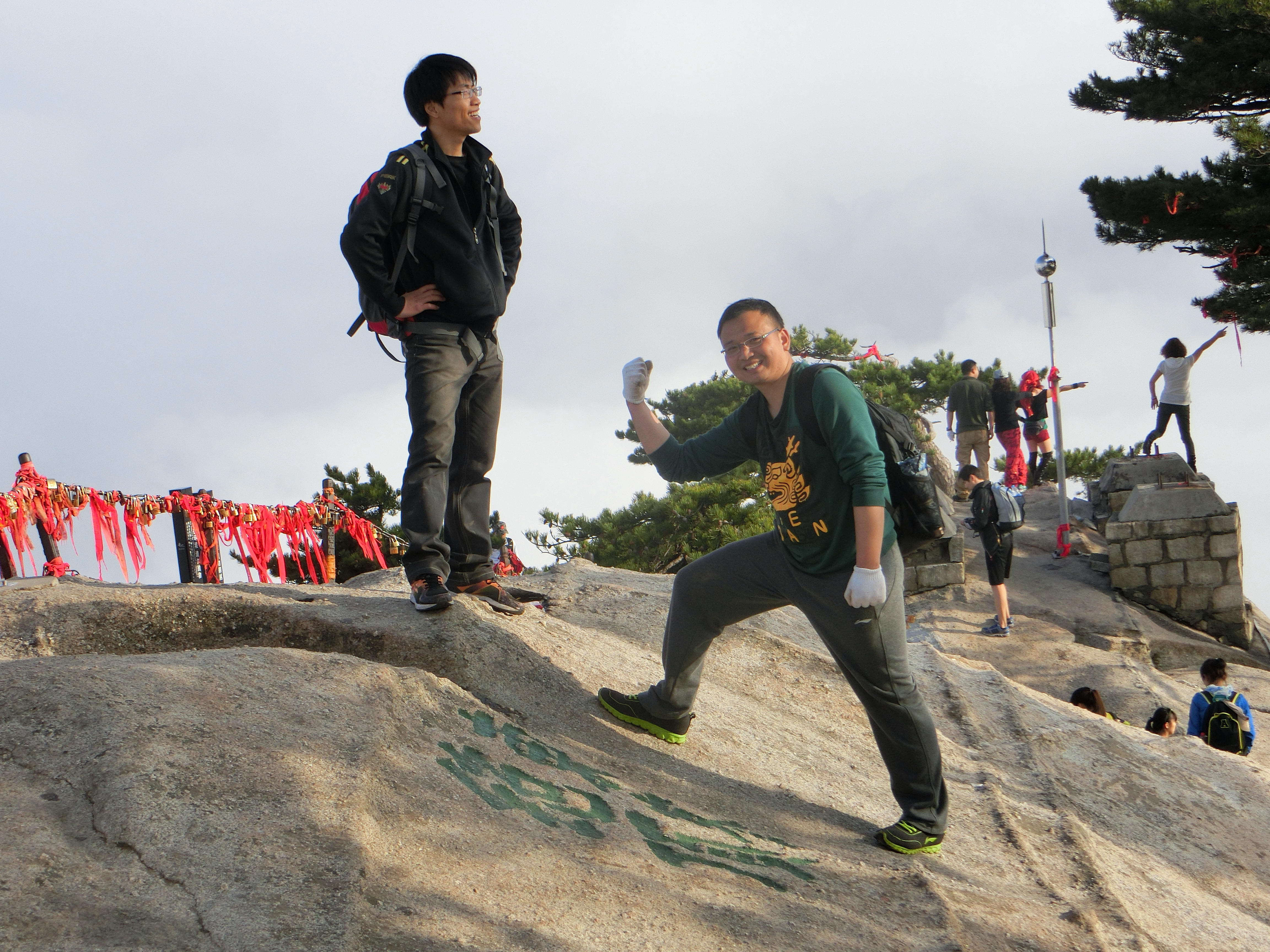


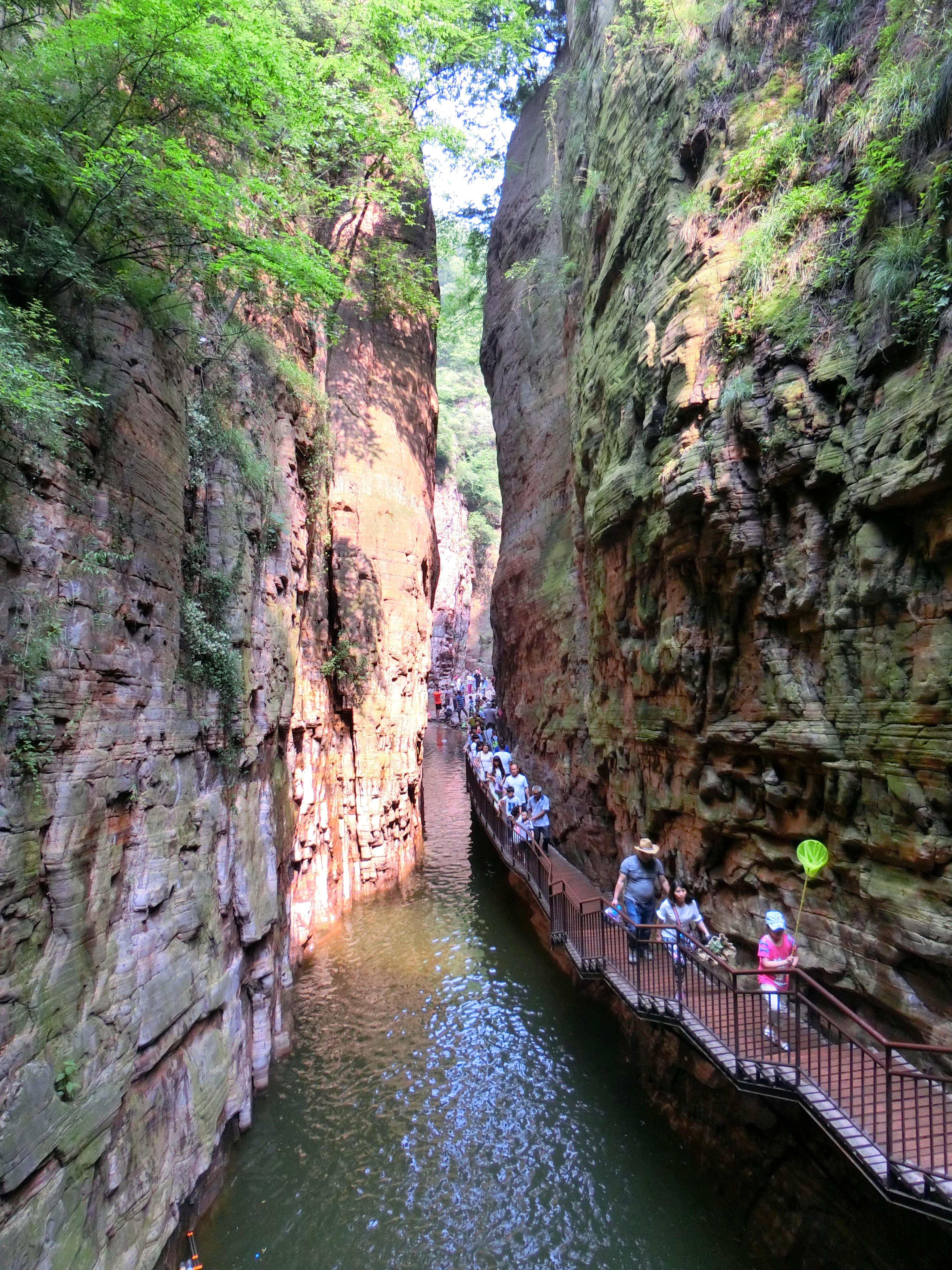
 An Accidental Vagabond